
Tropical rainforest
High humidity and layered vegetation support immense diversity of plants, fungi, insects, amphibians, birds and mammals.
Nature connecting territories
A visual guide to Costa Rica’s emblematic species, forests, mangroves, páramo and responsible wildlife observation.
More than a species list
Biodiversity includes ecosystems, species, genes and associated knowledge. A position between two oceans, complex terrain and rapid elevation changes help explain why so many environments fit within a small territory.
Protected areas are essential, but wildlife also depends on biological corridors, farms, rivers, coasts and everyday decisions beyond park boundaries.
From sea level to the summits
High humidity and layered vegetation support immense diversity of plants, fungi, insects, amphibians, birds and mammals.
A pronounced dry season transforms the landscape; many trees lose leaves and water availability organizes wildlife.
Mist supplies moisture to epiphytes, mosses and ferns. Small elevation changes create different communities.
They connect rivers, coasts and sea, supporting waterbirds, fish, crustaceans and coastal protection.
Reefs, rocky shores, seagrass and ocean zones support life that is not always visible from land.
Above montane forest, cold, wind and radiation favour special adaptations and high regional endemism.
Featured wildlife
Finding an animal depends on habitat, time, weather and luck. A responsible experience never chases or guarantees sightings.
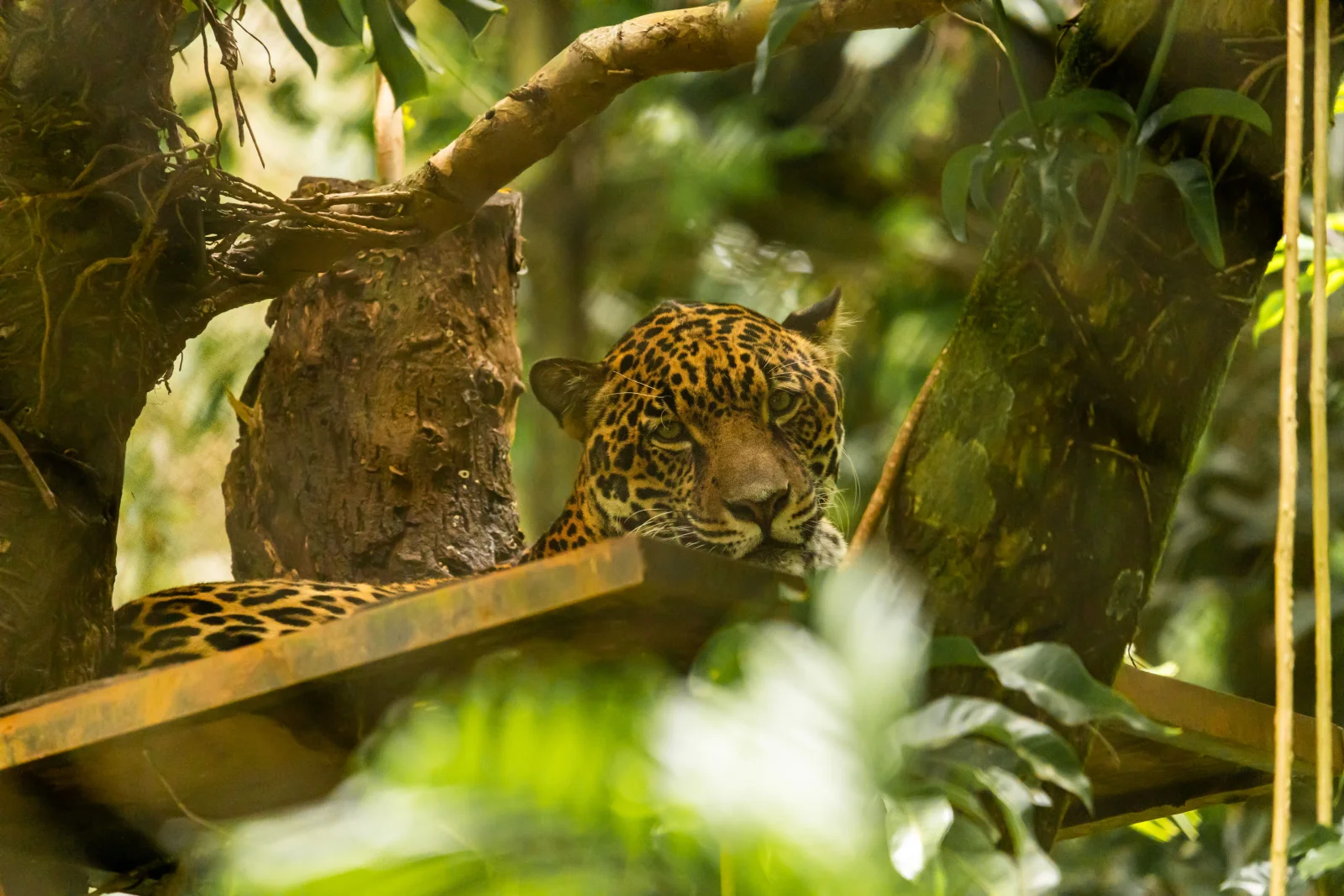
Panthera onca
The country’s largest cat is a key predator requiring extensive, connected habitat. Seeing one in the wild is exceptional, not a normal tour expectation.
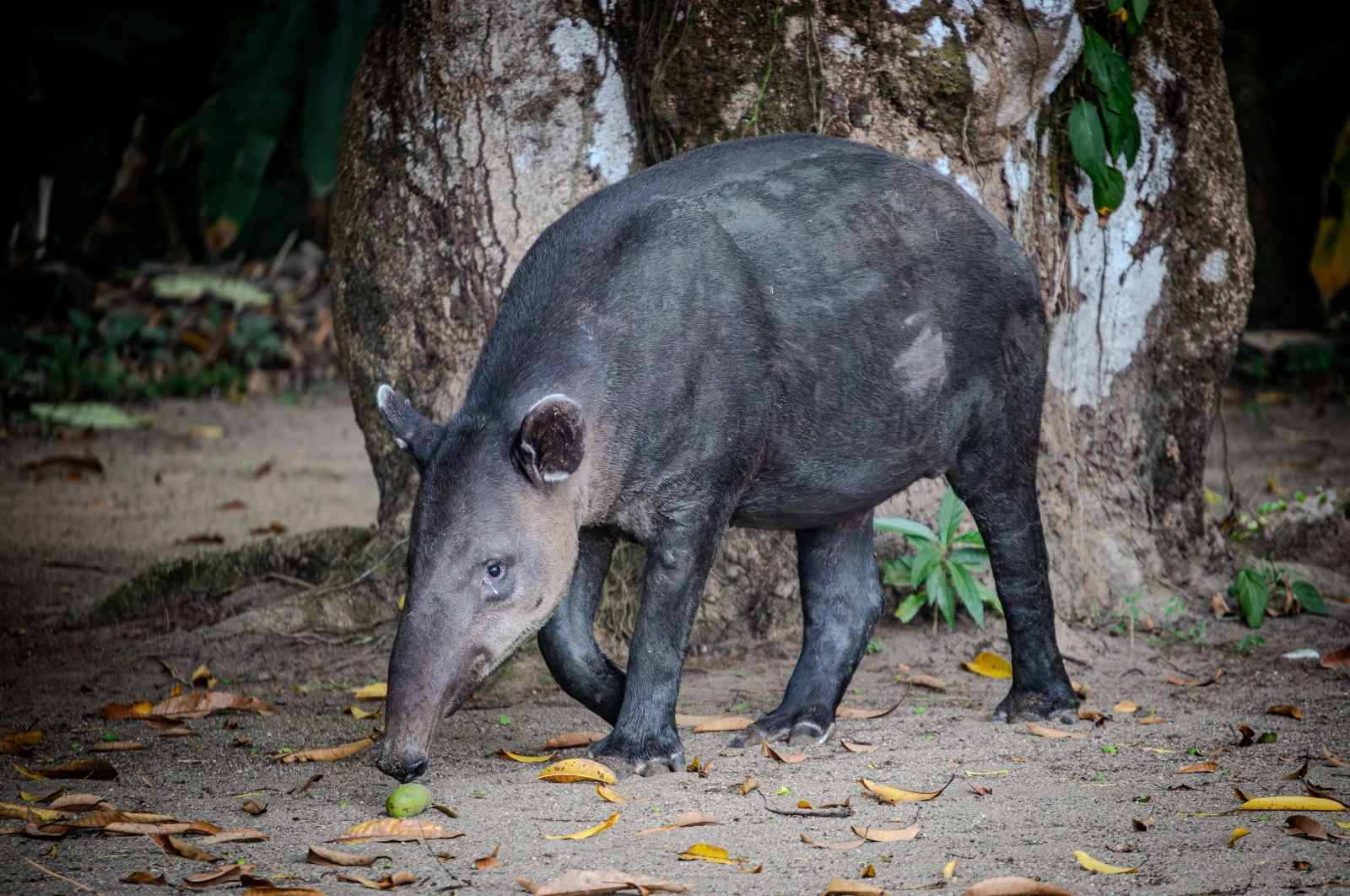
Tapirus bairdii
This large herbivore disperses seeds and helps shape forests. It mainly inhabits well-preserved wooded areas and is threatened by habitat loss and roads.
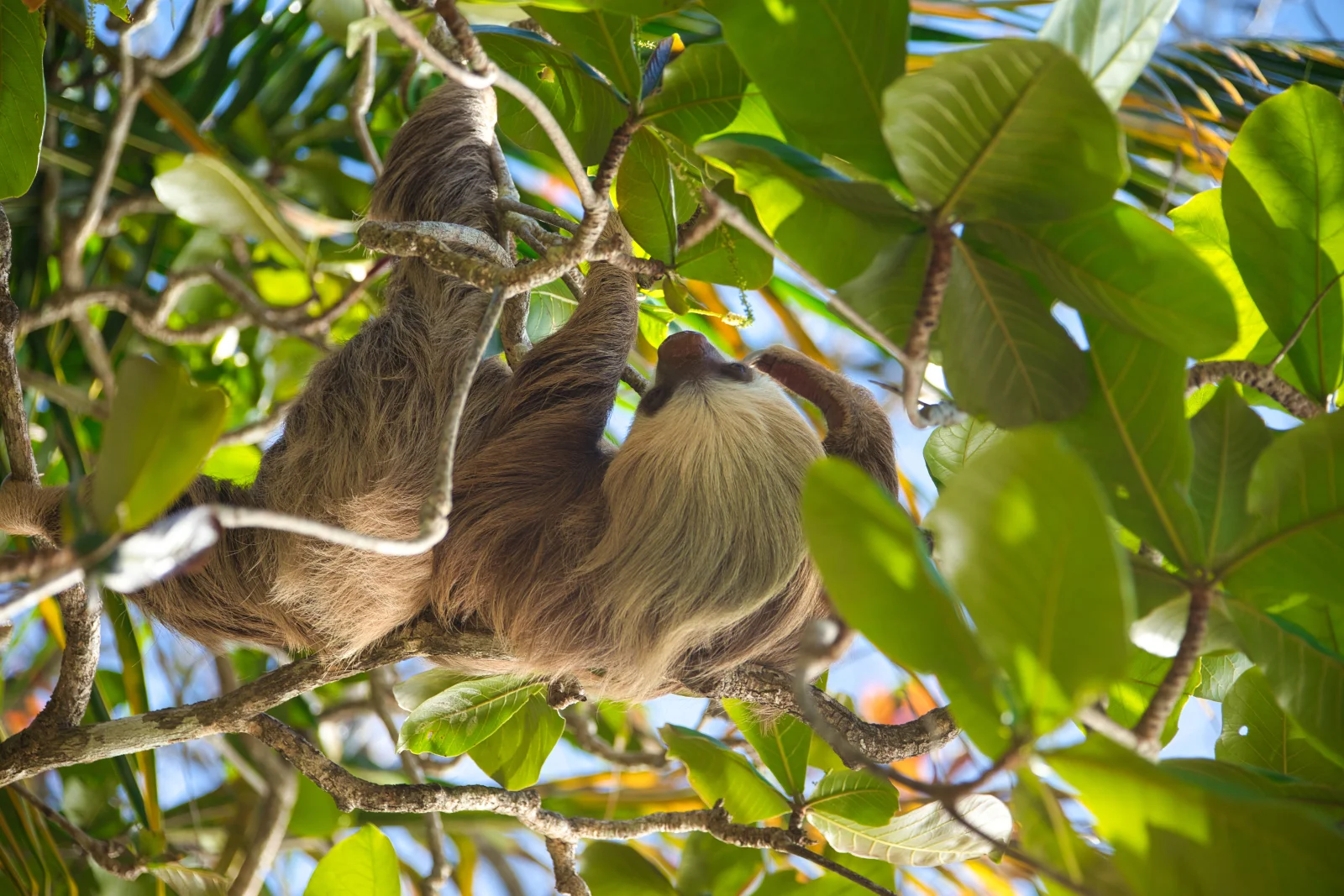
Two species occur in the country
Costa Rica has two-toed and three-toed sloths. Their stillness is not an invitation to touch: handling, feeding or using them for photographs causes stress and may transmit disease.
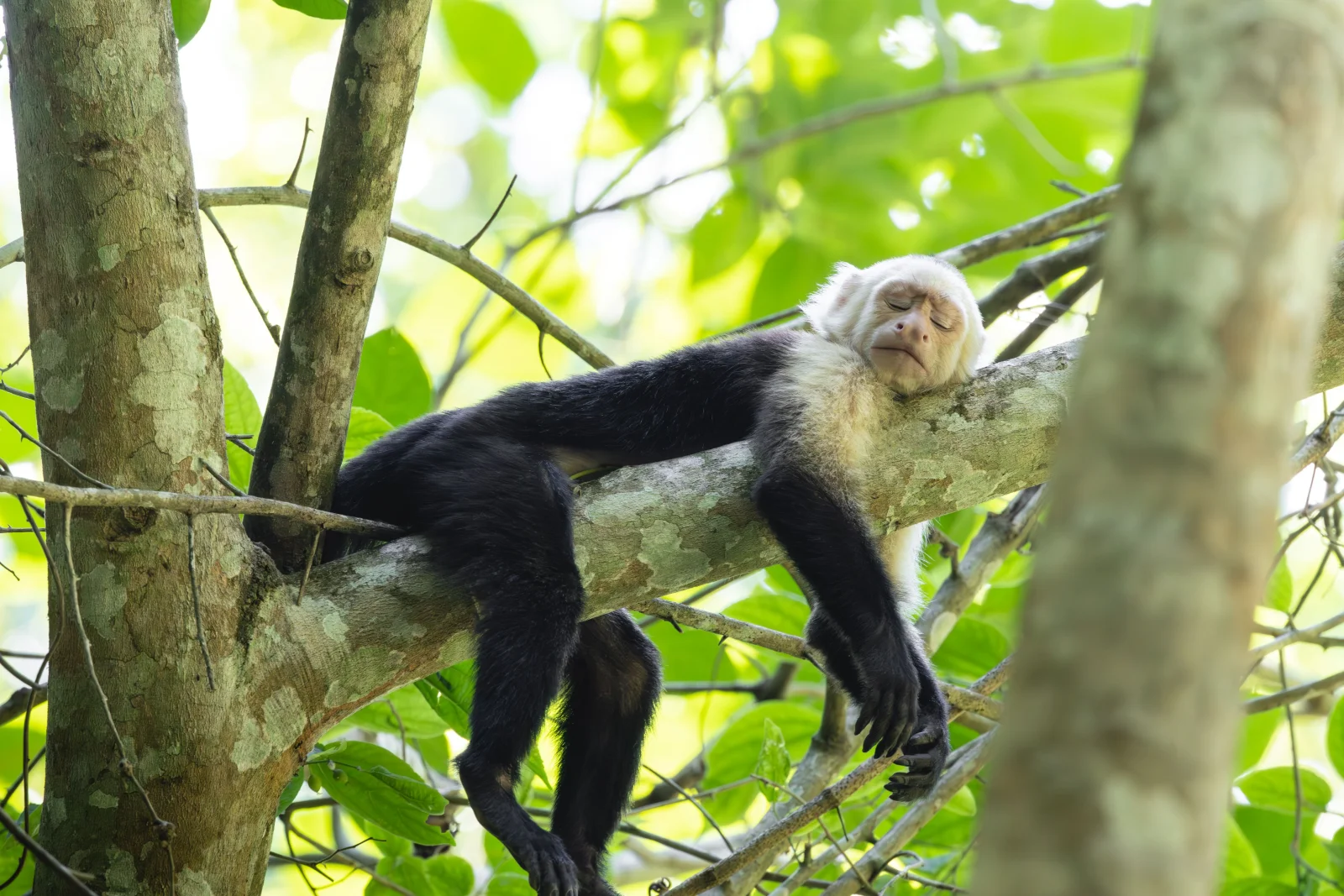
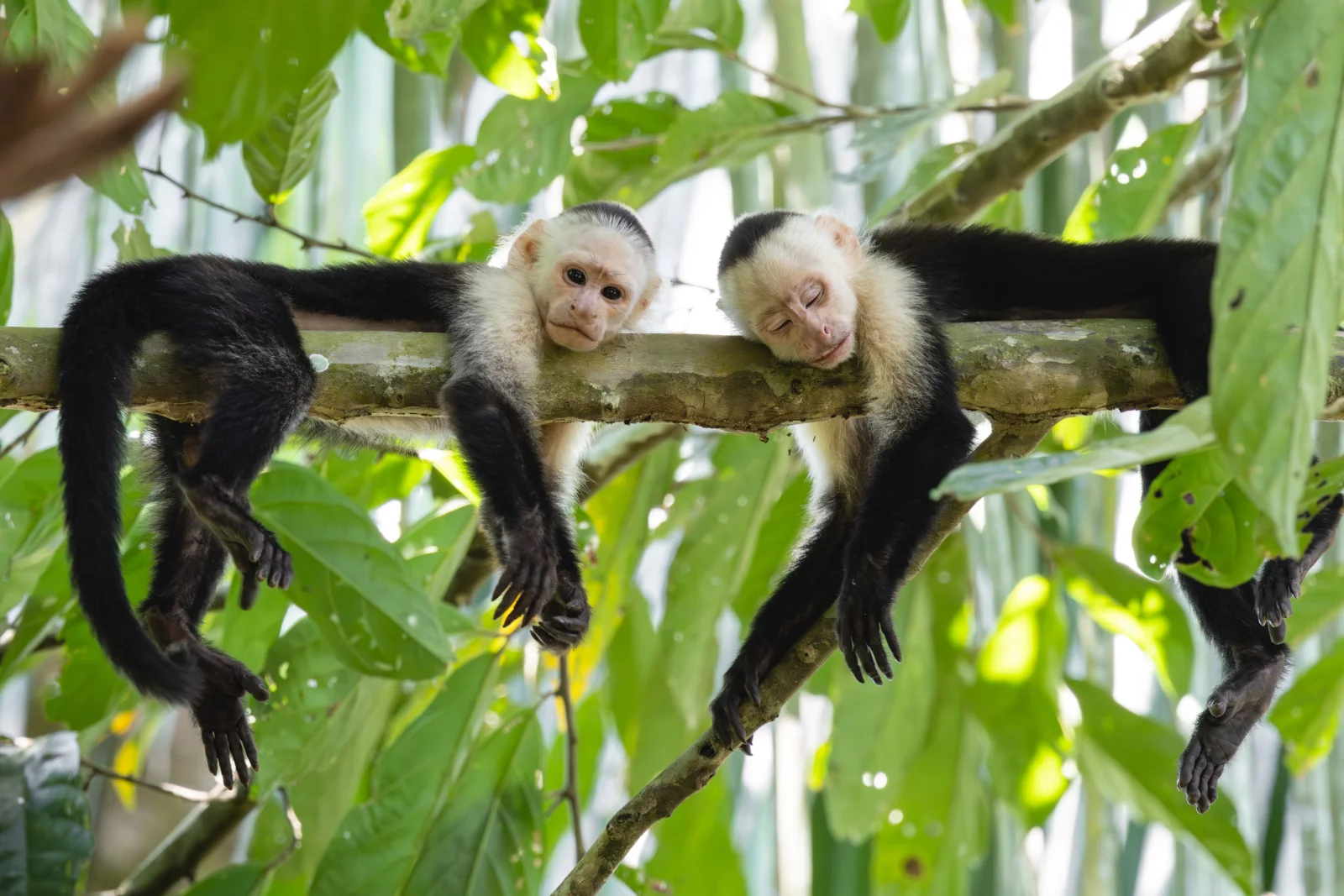
Cebus imitator
This intelligent, social and adaptable primate inhabits several forest types, particularly on the Pacific slope. Feeding changes its diet and behaviour, increases conflict and can spread disease.
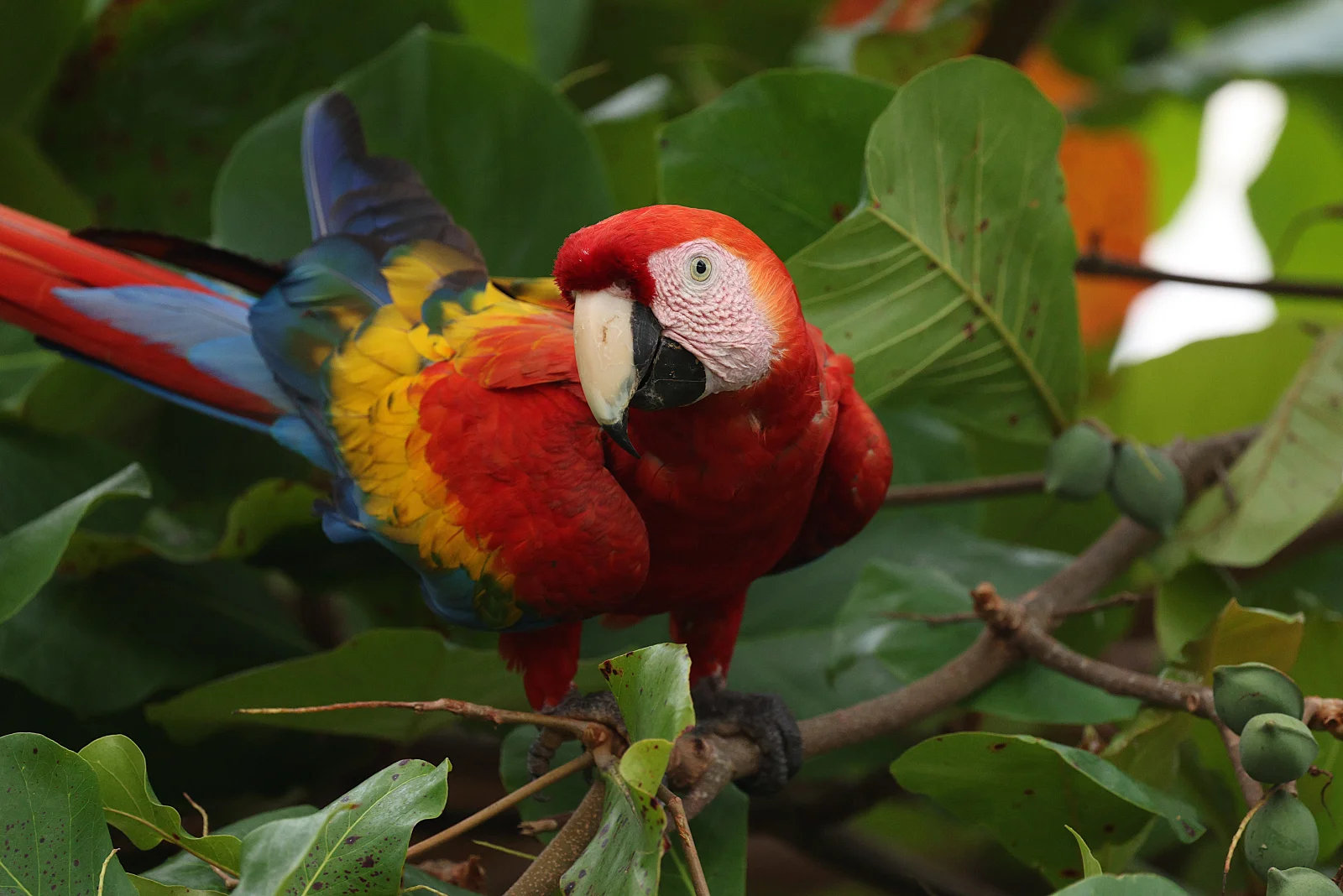
Ara macao
Pairs and flocks stand out in the Central and South Pacific, among other areas. They depend on large trees for food and nesting, making forest protection essential.
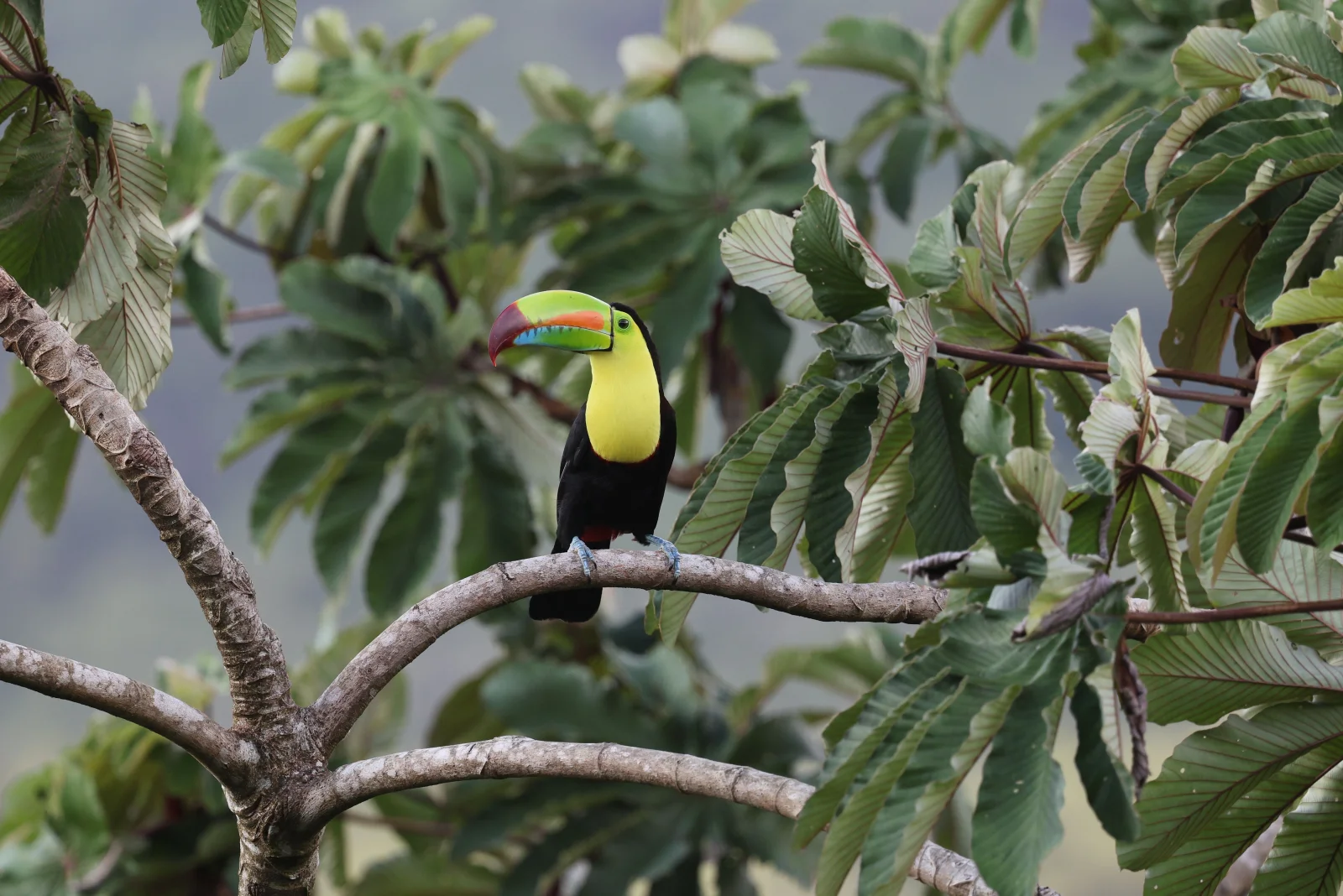
Ramphastos sulfuratus
Its multicoloured bill makes it one of the most recognizable birds of Caribbean and northern humid forests. It eats fruit and disperses seeds, while also including other foods in its diet.
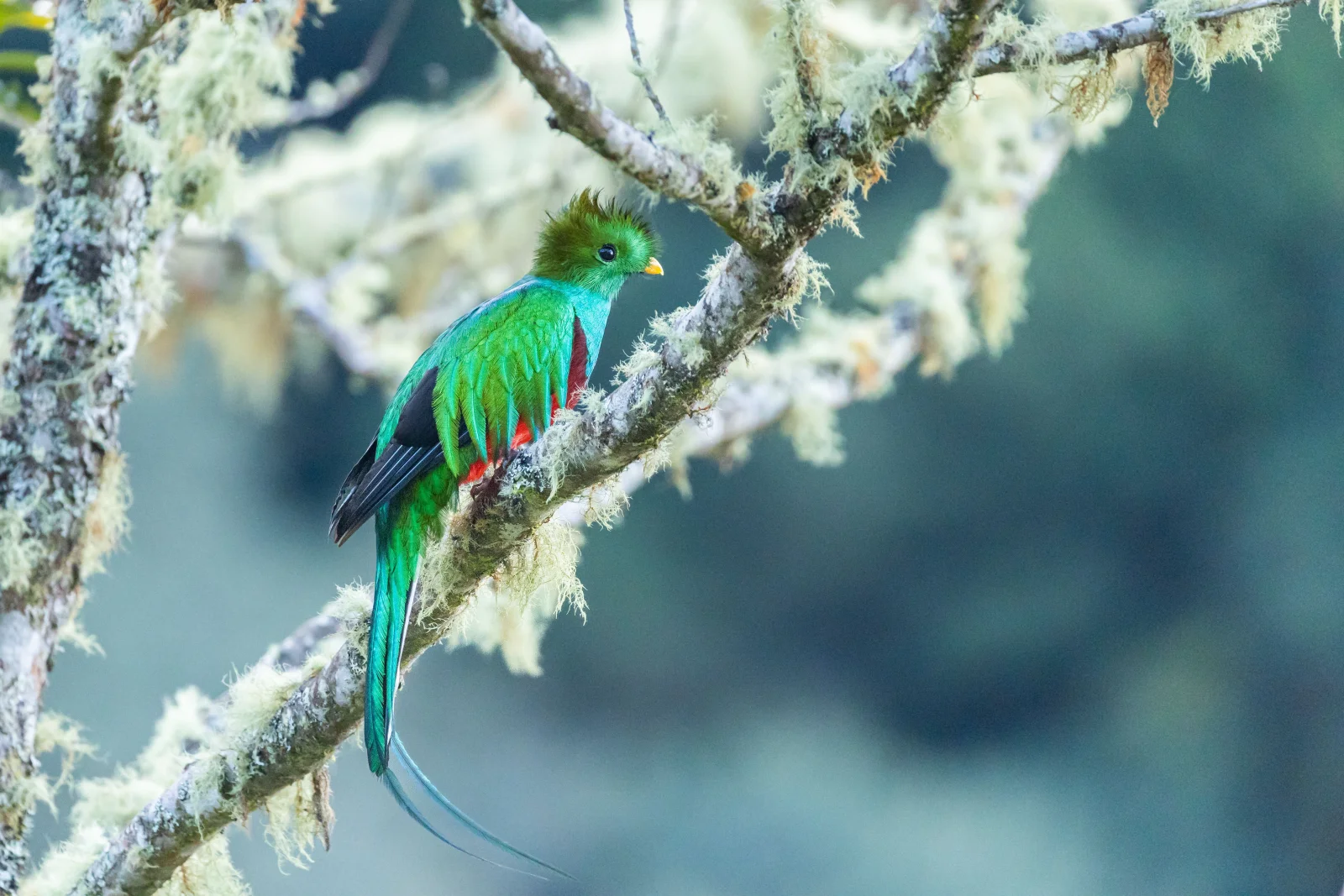
Pharomachrus mocinno
An emblematic cloud-forest species, it inhabits areas including Los Quetzales, Monteverde and Talamanca. Sightings depend on food, season, weather, patience and quiet.
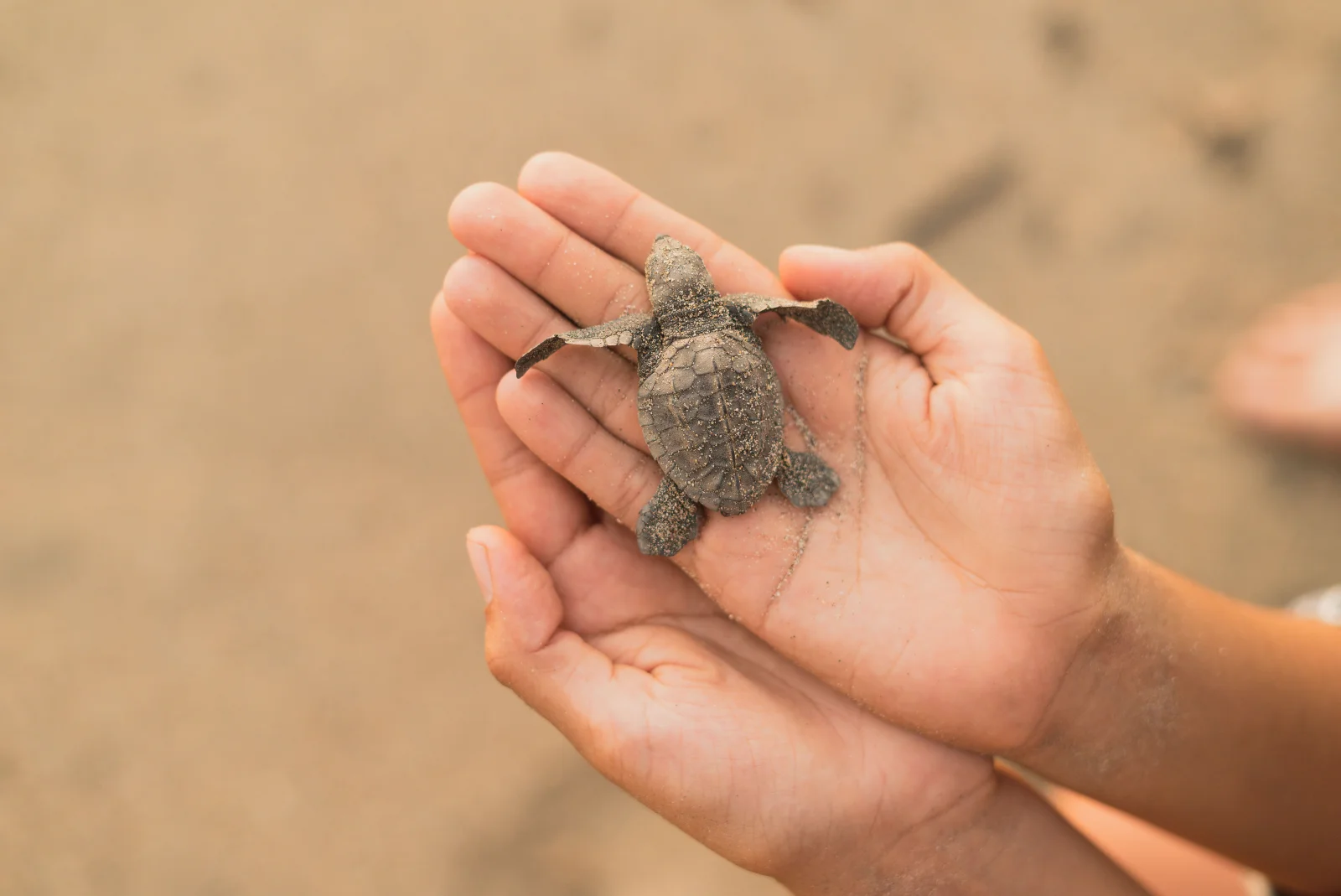
Several species nest on both coasts
Caribbean and Pacific beaches receive leatherback, green, hawksbill and olive ridley turtles, among others. During nesting, follow local guides and rules; light, noise and crowding disrupt the process.
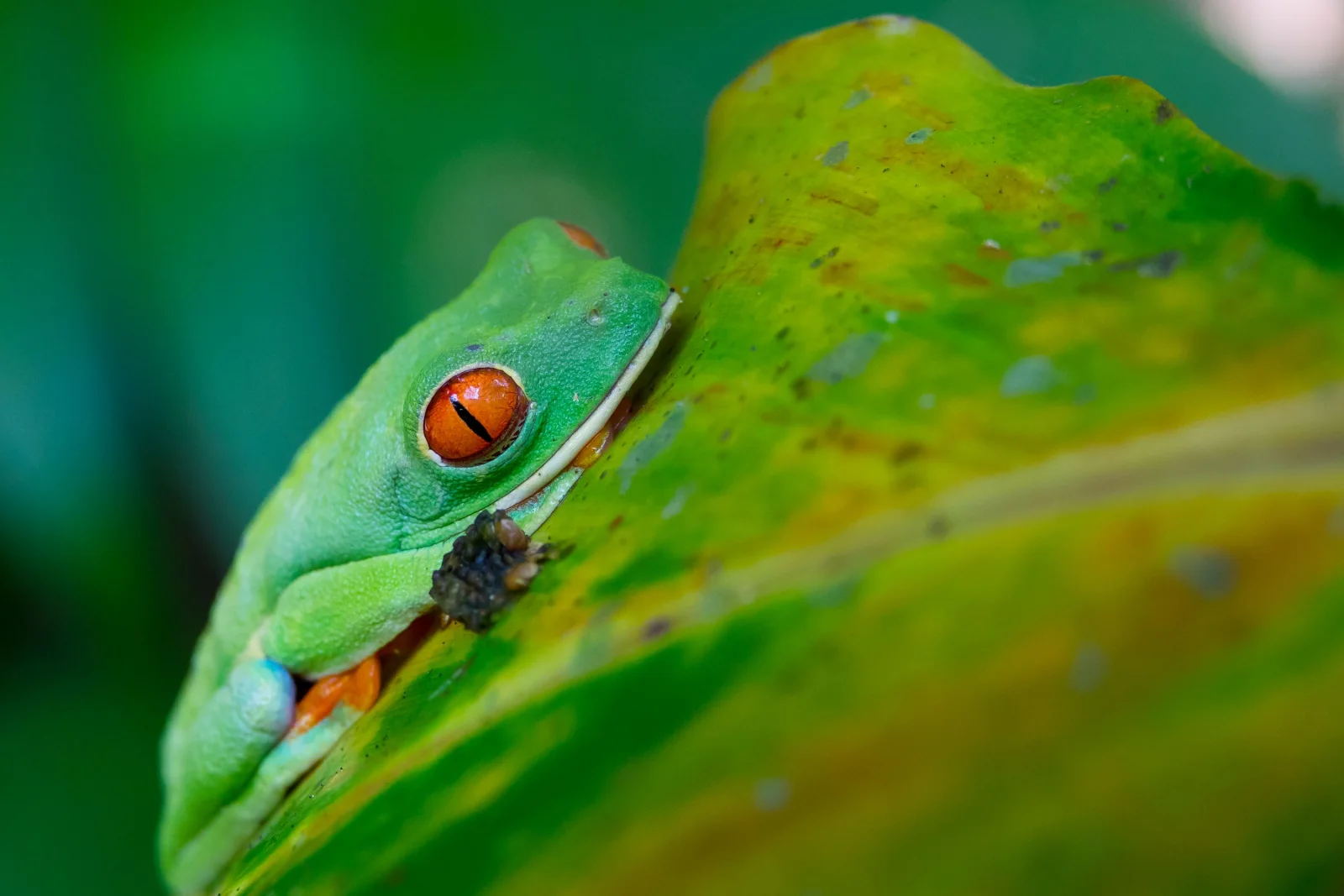
Agalychnis callidryas
This nocturnal frog is associated with humid forests and breeding water. Never move one for a photograph: its skin is sensitive to chemicals, heat and handling.
Plants and living landscapes
Plants are not a background for wildlife: they produce food, shelter, shade, soil and ecological connections.
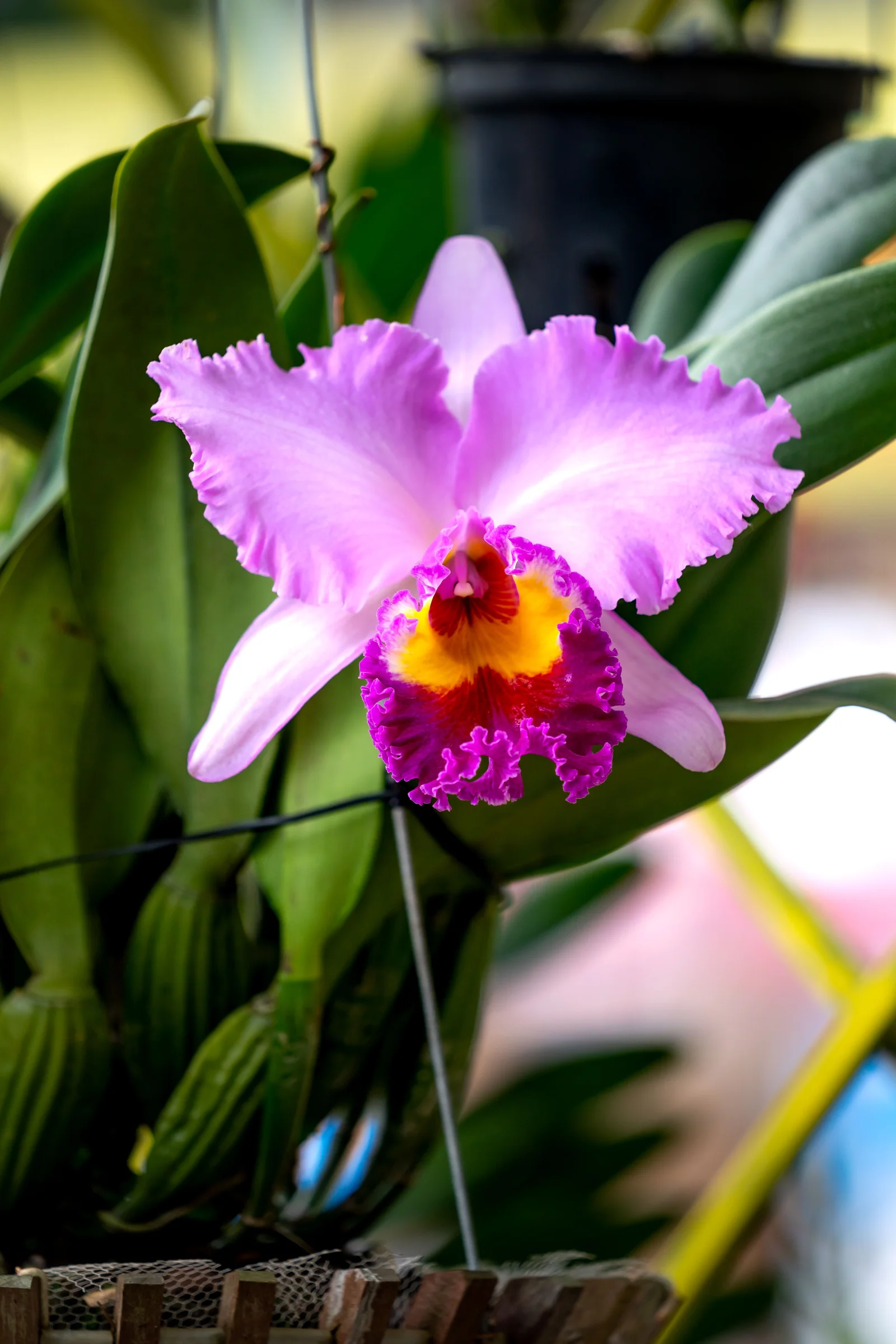
Guarianthe skinneri
The national flower and a native orchid. Cultural value never justifies wild collection; choose legally propagated plants from traceable sellers.
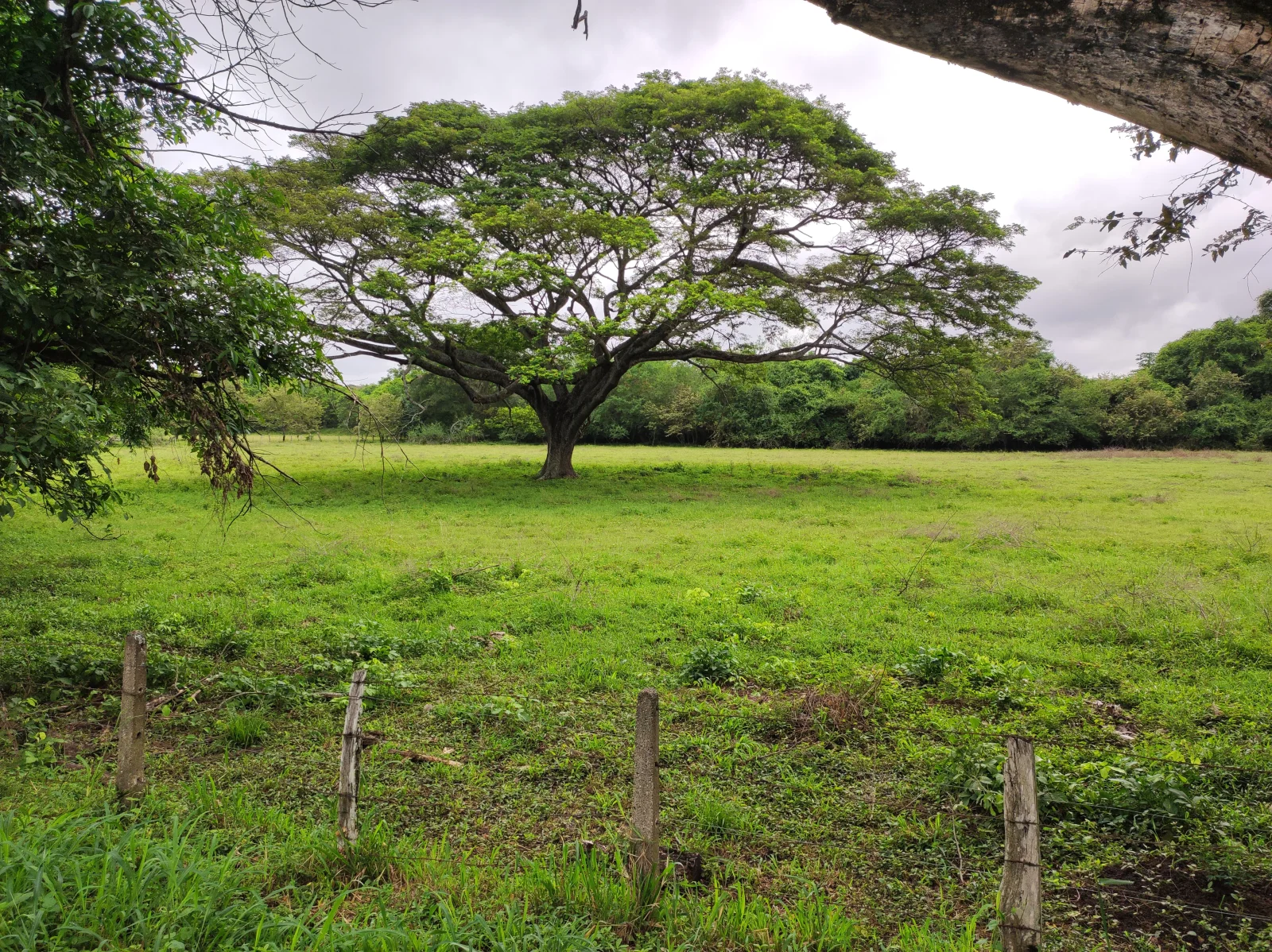
Enterolobium cyclocarpum
The national tree is known for its broad crown and ear-shaped fruit. It is associated with tropical dry forest and rural Pacific landscapes.
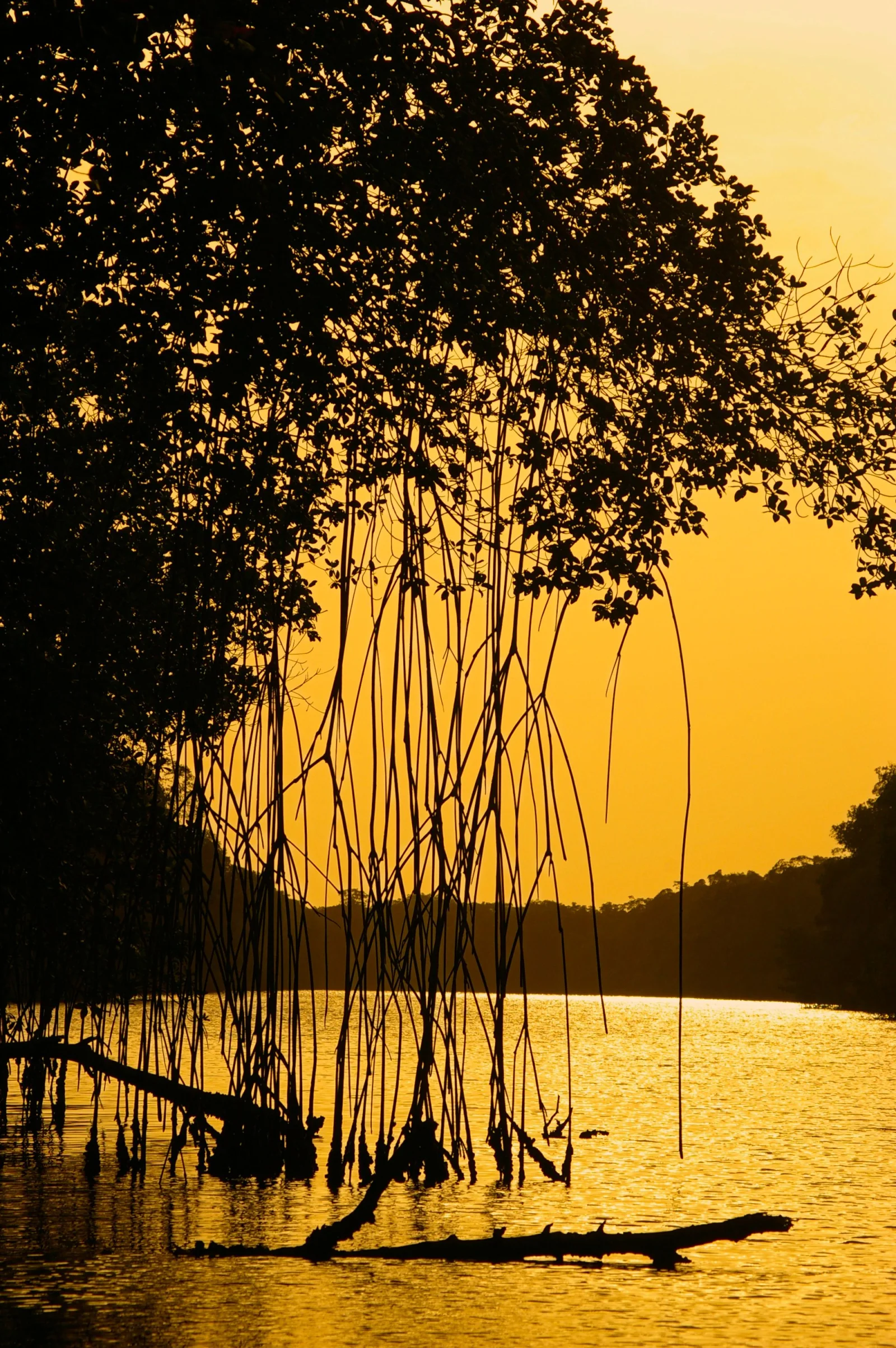
Forests between land and sea
Their species tolerate salt and flooding. Mangroves act as nurseries, refuges, natural filters and coastal buffers; visit without cutting roots or disturbing nests.
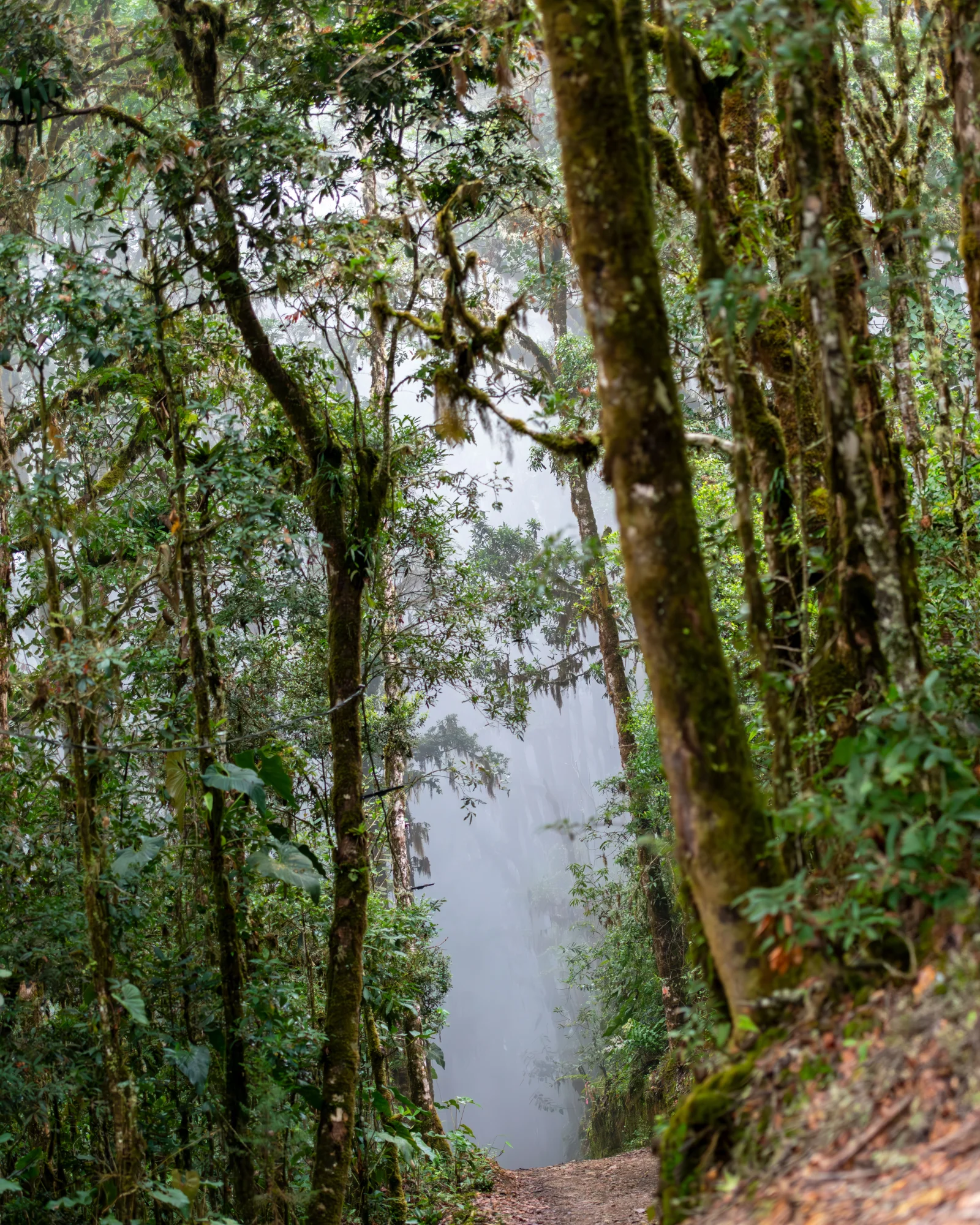
Mountain ecosystems
Mosses, ferns, bromeliads, oaks and cold-adapted plants change with elevation. Talamanca páramo protects endemic life in small, sensitive areas.
Responsible observation
Records change as research advances. Consult official platforms and protected-area profiles before treating any count or sighting as certain.