
Food and culture
Costa Rican coffee: history, regions and the culture of the cup
A complete guide to Costa Rica's coffee history, eight producing regions, processing methods, brewing and responsible farm visits.
Coffee transformed Costa Rica’s economy, landscape and daily life. It became an export, source of employment, driver of infrastructure and part of domestic ritual. Its history also includes unequal land ownership, dependence on international prices, seasonal labour and environmental challenges. Understanding the cup means following the entire chain.
How coffee growing began
Coffee seeds reached Costa Rica in the late eighteenth century and cultivation took root during the early nineteenth. ICAFE identifies an important point around 1808, when production was promoted, and describes Costa Rica as the first Central American country to establish a coffee industry.
During the nineteenth century, the golden bean grew into a major export. Farms, mills, merchants and ports became connected, contributing to roads, transport and urban consolidation. Oxcarts were essential for moving coffee before motorized transport expanded.
Benefits were not shared equally. Large producers and merchants accumulated influence, while many small families and pickers depended on variable harvests and prices. Cooperatives and producer organizations later became important in several regions.
From plant to harvest
Costa Rica primarily grows Arabica coffee. Plants require year-round management: plant selection, shade or sun according to the system, nutrition, pruning and control of pests and disease.
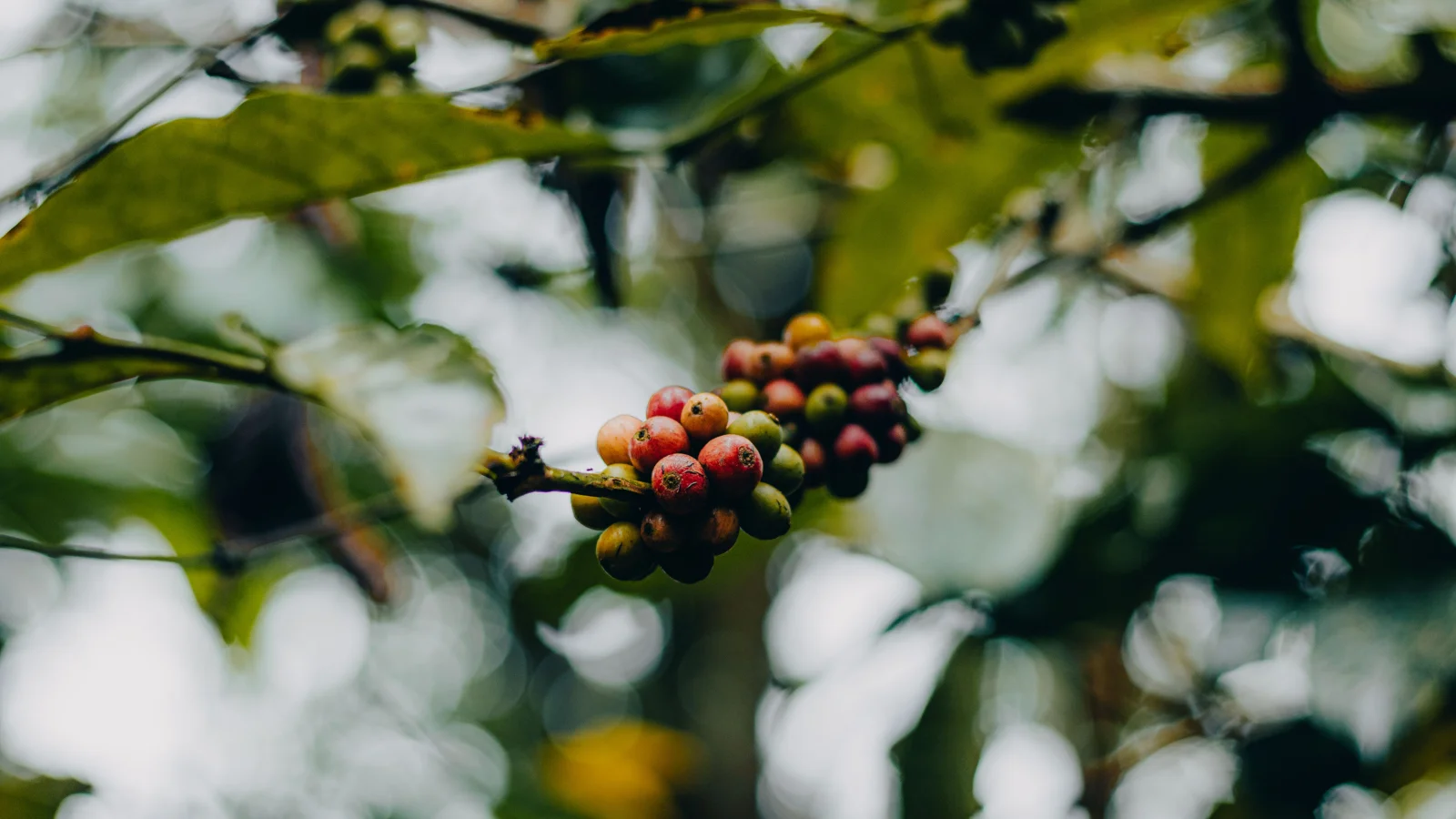
Flowering commonly follows rain after a dry period, though timing changes by region and climate. Fruit turns red or yellow depending on variety. Harvest does not occur simultaneously nationwide; elevation, watershed and microclimate alter the calendar.
Selective picking of ripe cherries supports quality. A responsible tour should not portray this as picturesque entertainment: picking demands speed, experience and physical effort and relies heavily on seasonal and migrant labour.
The eight coffee regions
ICAFE organizes production into eight regions:
- Central Valley: one of the historic areas, with varied elevations and volcanic influence.
- West Valley: includes places such as Naranjo, Palmares, San Ramón and Grecia and numerous farms and mills.
- Tarrazú: a mountainous region known for high-elevation production and strong coffee identity.
- Tres Ríos: extends along slopes near Irazú and the eastern Central Valley.
- Orosi: an agricultural valley in Cartago framed by coffee, rivers and mountains.
- Turrialba: combines elevations and conditions influenced by the Caribbean and volcanic massif.
- Brunca: covers southern producing areas, including sectors of Pérez Zeledón and Coto Brus.
- Guanacaste: groups smaller producing areas with conditions distinct from central regions.
These names offer orientation, not a guaranteed flavour. Farm, variety, elevation, soil, ripeness, processing, drying, storage, roasting and brewing all influence the cup.
What happens at the mill
After harvest, coffee cherries must be processed. Broad categories include:
- Washed: skin and pulp are removed, mucilage is managed through fermentation or equipment, and beans are washed and dried.
- Honey: beans dry with some mucilage attached; commercial categories vary.
- Natural: whole cherries dry before their outer layers are removed.
No method is automatically superior. Results depend on healthy fruit, control, even drying, storage and traceability. Wet milling requires responsible water and waste management; other methods also need space, energy and control.
Dried parchment coffee is prepared, graded and hulled before export or roasting. Roasting develops aroma and solubility, but very dark roasting can conceal origin differences.
Reading and tasting a bag
A useful label may identify region, farm or producer, variety, elevation, process, roast date and suggested profile. “100% Costa Rican” indicates national origin but does not by itself explain traceability or quality.
To compare coffee:
- Keep the coffee-to-water ratio consistent.
- Grind shortly before brewing when possible.
- Taste without sugar first and notice aroma, sweetness, acidity, body and finish.
- Let the cup cool slightly; some flavours become clearer.
- Pleasant acidity is not the same as sourness caused by poor extraction.
There is no single authentic preparation. Espresso, filters and presses coexist with the chorreador, a wooden stand holding a cloth filter through which hot water passes. Clean the cloth correctly and replace it when it retains odours or wears out.
Choosing a coffee tour
Ask before booking:
- Does it visit a producing farm, mill, roastery or only an exhibit?
- Who guides, and what is their relationship to production?
- Will harvest be active on that date?
- Does the tour discuss labour, water, waste and climate adaptation?
- Does the price directly benefit producers or a local cooperative?
- Is the route accessible, and what footwear is needed?
The experience changes by season. You can learn outside harvest, but may not see ripe cherries or full processing.
Sustainability and current challenges
Shade, soil cover, water conservation, wastewater treatment, by-product use and reduced agrochemical dependence can improve environmental performance. “Sustainable” should nevertheless be supported by specific explanations.
Climate change alters rainfall, temperature, flowering and pest pressure. International prices, production costs, generational renewal and labour availability add further challenges. Buying traceable coffee and asking how much value returns to the farm supports better-informed choices.
Sources and further reading
- ICAFE: history of Costa Rican coffee
- ICAFE: the eight coffee regions
- Costa Rican Tourism Board: coffee experience
Note: flavour profiles, harvests, tours and access vary by farm and season. Confirm directly before travelling.