
Culture
Music and art in Costa Rica: a guide to its diversity
An introduction to Limón calypso, marimba, cimarrona bands, classical music, visual arts and contemporary creation in Costa Rica.
Costa Rica has no single music or uniform artistic tradition. Its cultural production has been shaped by Indigenous peoples, Afro-descendant communities, rural traditions, migration, public institutions, urban neighbourhoods and independent scenes. A responsible introduction therefore looks at many creative Costa Ricas, not one fixed folklore.
A diverse musical map
Music changes by region and setting. Marimba, parrandera, tambito, the punto guanacasteco dance and recited bombas hold particular importance in Guanacaste. They reflect a regional history shared with the Central American Pacific and repertoires transmitted through festivals, dance halls, schools and families.
On the Caribbean coast, Limón calypso is an Afro-Costa Rican expression with its own identity. Connections with the English-speaking Caribbean brought calypso to the region, where it developed distinctive ways of narrating daily life, commenting on events and preserving community memory. Walter Ferguson is one of its best-known figures, but the genre belongs to a broad tradition of calypsonians, performers and communities.
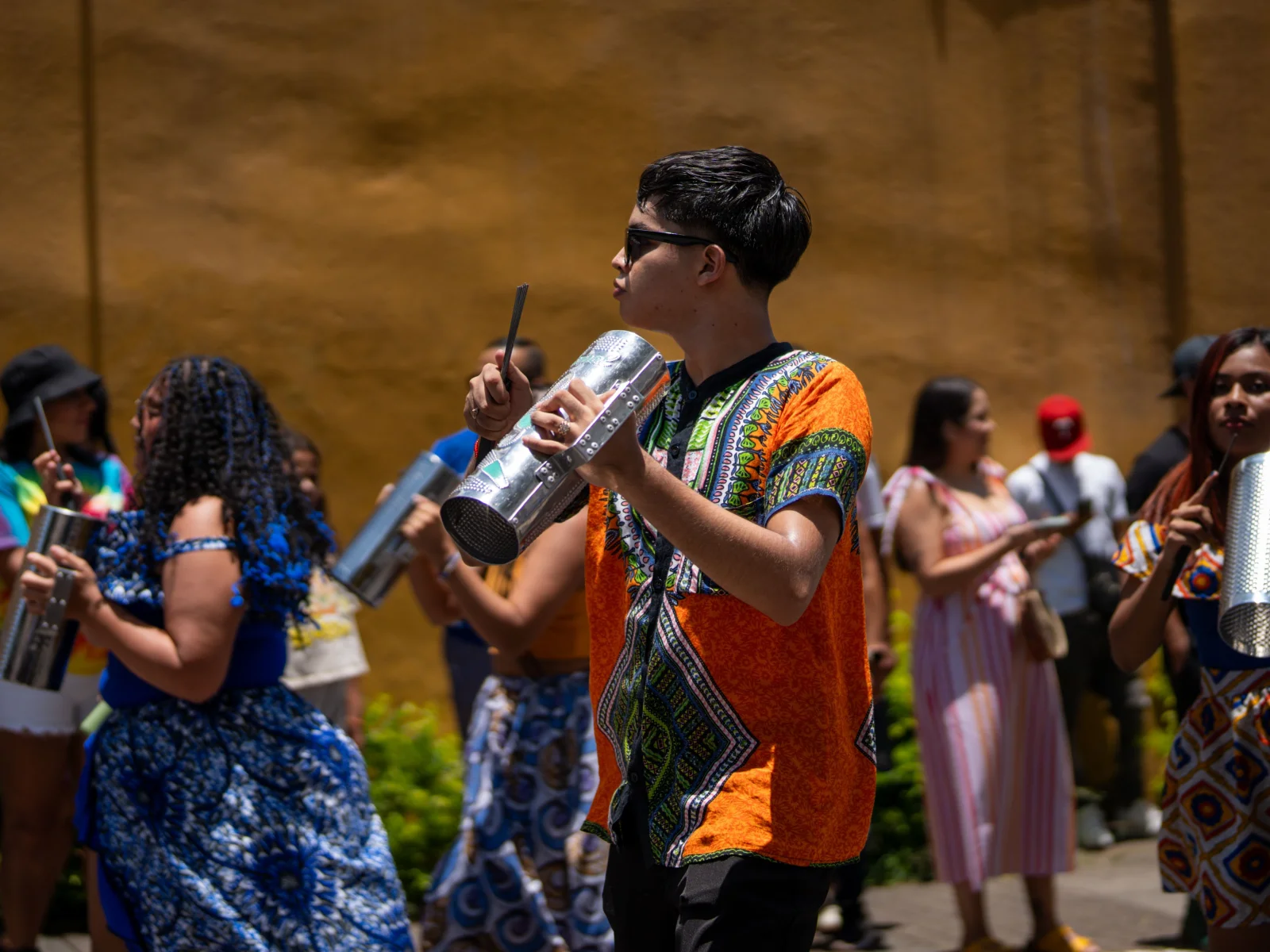
Cimarrona bands, built around wind and percussion instruments, accompany masquerades, community fairs and family celebrations. Their repertoire may combine pasillos, waltzes, jotas, parrandera and contemporary popular music. Traditional cimarrona music was declared part of Costa Rica’s intangible cultural heritage in 2022.
The country’s soundscape also includes swing criollo, bolero, salsa, cumbia, rock, metal, jazz, reggae, electronic music, singer-songwriters and experimental work. Genres do not remain isolated; musicians and audiences continually reinterpret them.
Classical music and public education
The National Symphony Orchestra, National Music Institute, public concert bands and universities sustain an important part of musical training and circulation. Public bands perform across the provinces, while theatres, cultural centres, municipal schools and community projects broaden access.
Costa Rican classical music is not limited to European repertoire. Composers and performers have worked with landscapes, memories, local rhythms and contemporary languages. Check the Ministry of Culture and Youth, National Theatre, Melico Salazar Theatre and presenting institutions for current programmes.
Indigenous arts are living practices
Costa Rica’s eight recognized Indigenous peoples maintain distinct artistic practices and knowledge. Basketry, weaving, carving, pottery, painting, masks, instruments and ceremonial objects should not be grouped into one generic category of “Indigenous crafts”.
Chorotega pottery from communities such as Guaitil and San Vicente, Brunca masks and textiles, baskets and objects made from fibres, wood or gourds each belong to particular histories and uses. Some are made for community life and others for sale. Identify the people and, whenever possible, the individual artist; buy directly or through fair-trade initiatives; and ask before documenting processes or ceremonies.
From historic collections to contemporary art
Painting, sculpture, printmaking, photography, design, installation, video and performance coexist in museums, galleries, universities, studios and independent spaces.
The Museum of Costa Rican Art holds a substantial collection connected to national art history. The Museum of Contemporary Art and Design focuses on modern and contemporary work from Costa Rica and Central America. The National Museum and Central Bank museums hold archaeological, historical and ethnographic collections that require context: an historic object does not replace the voices of living communities.
San José concentrates many institutions, but creation extends throughout the country. Regional cultural centres, festivals, workshops, collectives and artists offer ways to encounter work beyond the capital.
Experiencing art responsibly
- Confirm programmes, opening hours and ticket conditions with each institution.
- Look for the artist’s name, community and the context behind a work.
- Buy directly from artists, workshops or sellers that explain provenance.
- Check photography rules and ask before photographing people or ceremonies.
- Avoid treating culture as “typical” decoration; ask whose story it tells.
- Combine national museums with regional venues, community concerts and independent spaces.
Sources and further reading
- Ministry of Culture and Youth: traditional cimarrona music
- Ministry of Culture and Youth: Walter Ferguson and Limón calypso
- National Museum: ethnographic collections
- Visit Costa Rica: culture
Editorial note: schedules, prices and visiting conditions change. Always confirm them with the responsible institution or community.