Your data remains only in this browser.

My local profile

0Favorites0Visited0Want to visit0My itineraries

Preferences

Topics you are interested in

Recommended for you

Destinations related to your interests that you have not marked yet.

♡ Favorites

    ✓ Visited

      + Want to visit

          Take your profile to another device

          Download a JSON copy or import one created by Costa Rica Hub.

          This profile does not create an account, is not sent to Costa Rica Hub and may disappear if you clear browser data.

          Costa Rica Hub

          Search Costa Rica Hub

          Enter at least 2 characters to search guides, destinations, tools and articles.
            Costa Rican market and traditional food

            Flavours and identity

            Traditional food of Costa Rica

            Discover Costa Rica’s traditional dishes, ingredients, regions and cultural context, from gallo pinto and tamales to Caribbean cooking.

            More than rice and beans

            Everyday, regional and diverse cooking

            Costa Rican food is built on Indigenous ingredients such as corn, beans, cassava and squash, together with colonial influences, crops introduced from other continents and Afro-Caribbean traditions that profoundly shaped Limón’s cuisine.

            Many dishes have no single “correct” recipe. Families adapt ingredients, seasoning and techniques to region, season and availability. A neighbourhood soda, market, fair or family kitchen may each tell a different story of the country.

            Gallo pinto
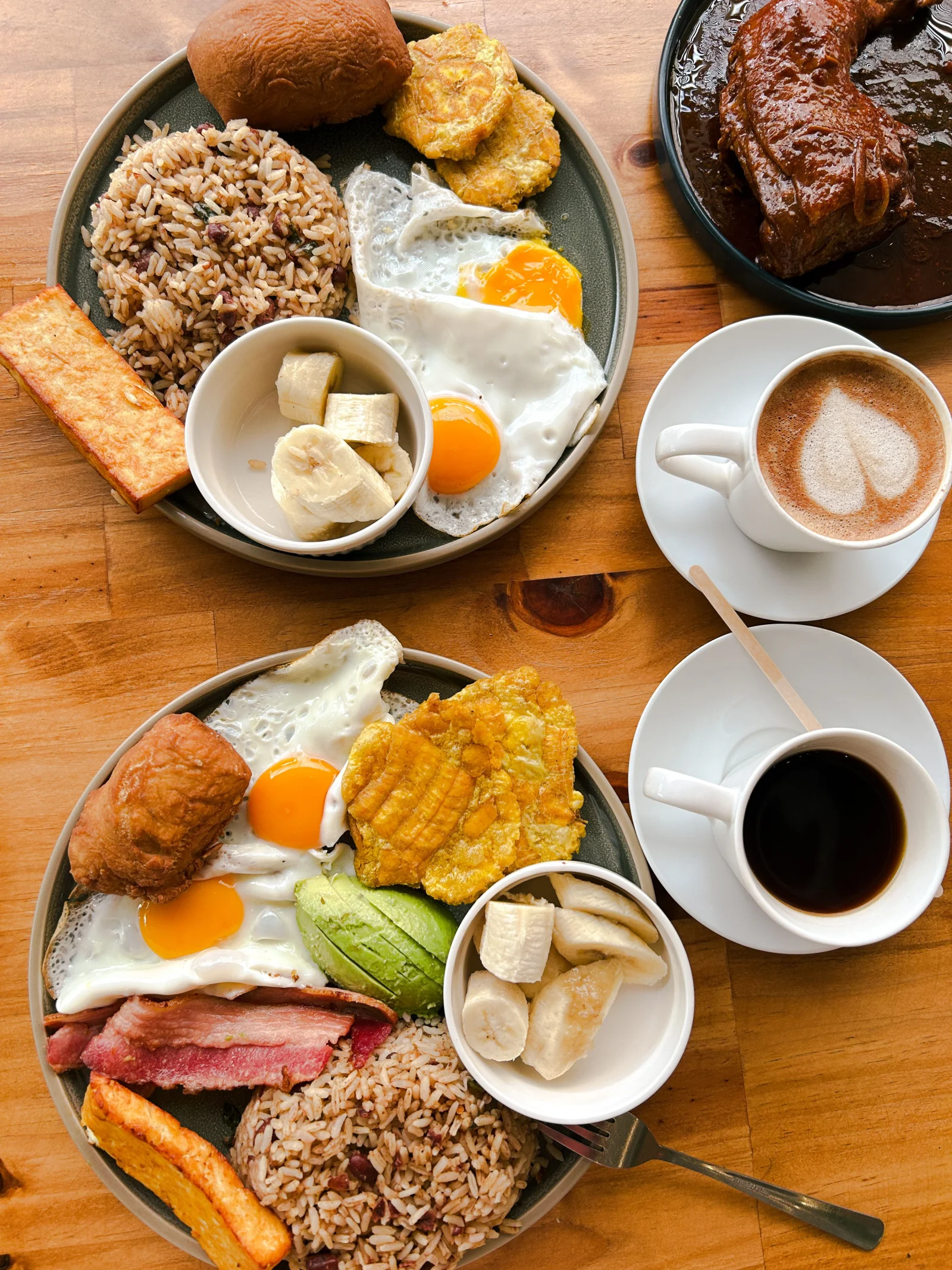
            Costa Rican gallo pinto with eggs, cheese, sweet plantain and tortilla
            01

            Nationwide, with family and regional variations.

            Gallo pinto

            The rice-and-bean mixture at the heart of a Costa Rican breakfast.

            What it contains
            Cooked rice, black or red beans with some broth, onion, sweet pepper, coriander and seasoning.
            How it is enjoyed
            It is most often served for breakfast with eggs, cheese, sour cream, sweet plantain, tortillas and coffee. Every household has its own balance: moist or toasted, dark or light, depending on the beans and amount of broth.
            Casado
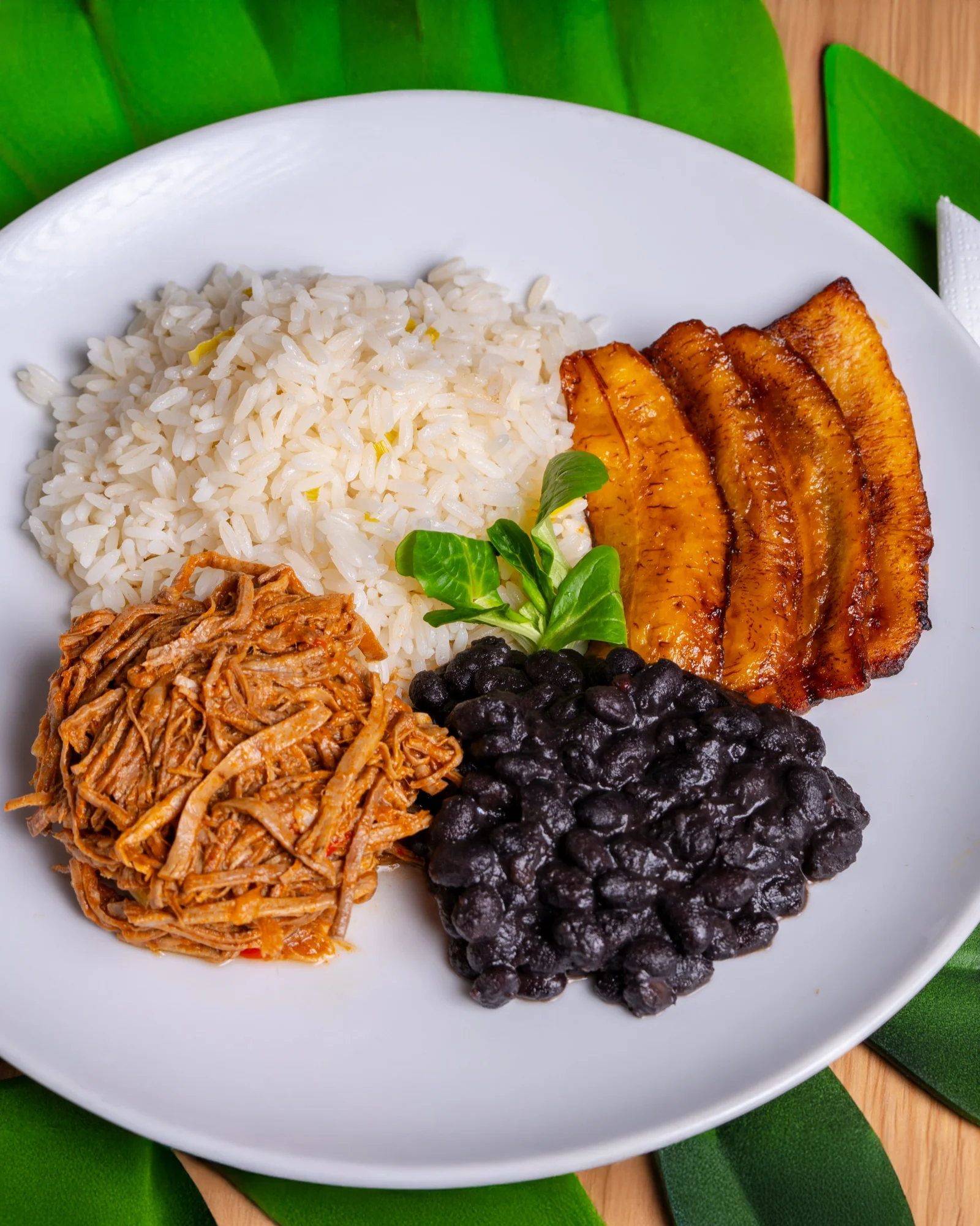
            Costa Rican casado with rice, beans, salad, plantain and protein
            02

            Nationwide; especially common in sodas and lunch counters.

            Casado

            A complete lunch assembling several everyday foods on one plate.

            What it contains
            Rice, beans, salad, a vegetable hash or cooked vegetables, sweet plantain and a protein such as chicken, beef, pork, fish, eggs or cheese.
            How it is enjoyed
            There is no single fixed composition. In sodas and restaurants it is one of the easiest ways to experience home-style food, combining the daily rice-and-bean base with sides that vary by location and season.
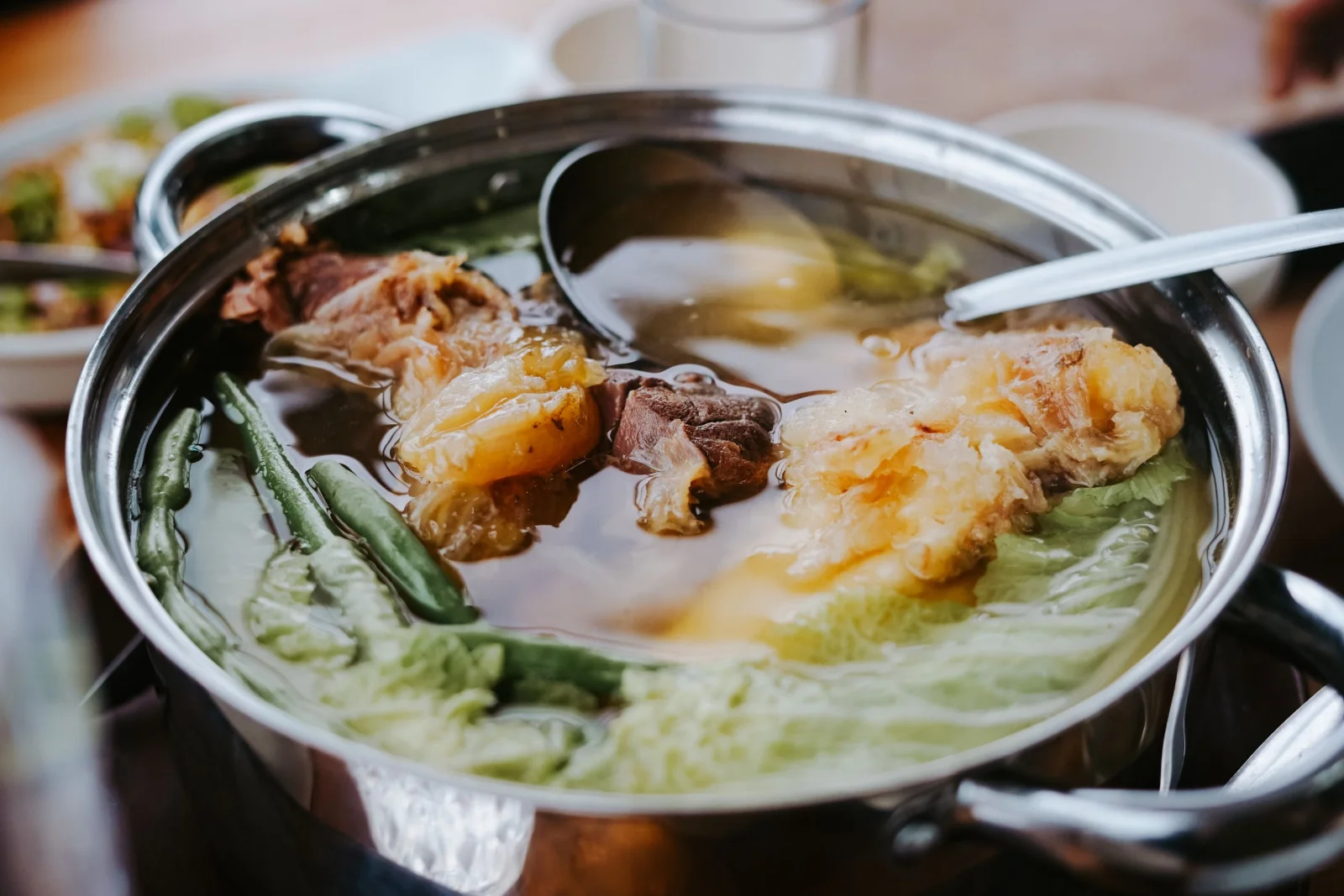
            Olla de carne
            Costa Rican olla de carne with beef, cassava, corn and vegetables
            03

            The Central Valley and other regions of the country.

            Olla de carne

            A substantial beef-and-vegetable broth rooted in family cooking.

            What it contains
            Beef and a changing combination of cassava, potato, chayote, taro-like roots, corn, squash, carrot, plantain and other vegetables.
            How it is enjoyed
            It is traditionally cooked in a large pot and shared as a main meal, with white rice served separately. Agricultural availability determines the vegetables, so two equally traditional versions can look quite different.
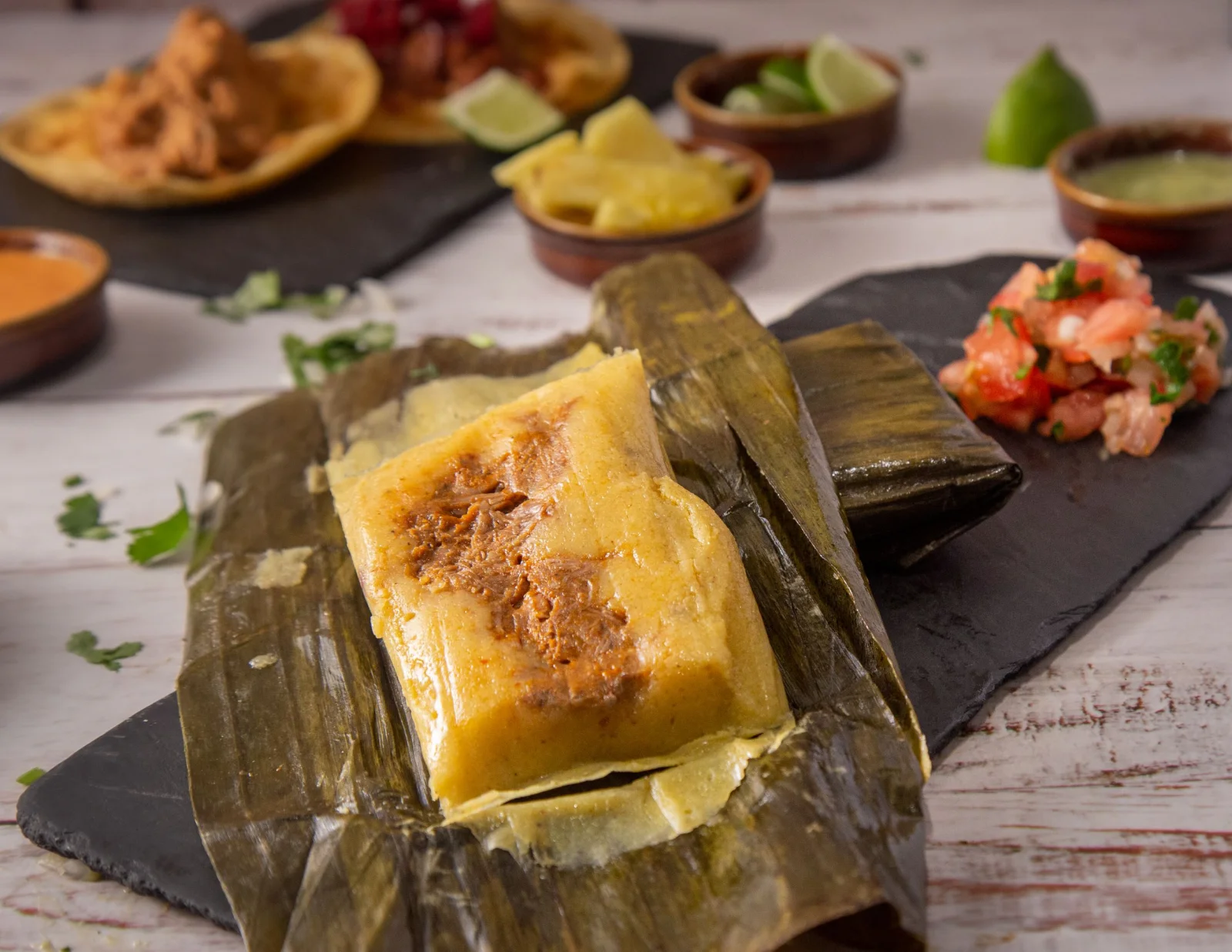
            Costa Rican tamal
            Costa Rican tamal opened on a banana leaf
            04

            Nationwide; a Christmas tradition with many variations.

            Costa Rican tamal

            Seasoned corn dough filled and cooked in banana leaves, especially associated with Christmas.

            What it contains
            Seasoned corn dough, rice, pork or chicken and small portions of vegetables; family versions may include potato, carrot, sweet pepper, chickpeas, olives, prunes or raisins.
            How it is enjoyed
            The communal tamale-making gathering matters as much as the dish. Families and friends prepare, wrap and cook dozens together. Two tied tamales form a piña. Regional, sweet, plain and bean-filled versions also exist.
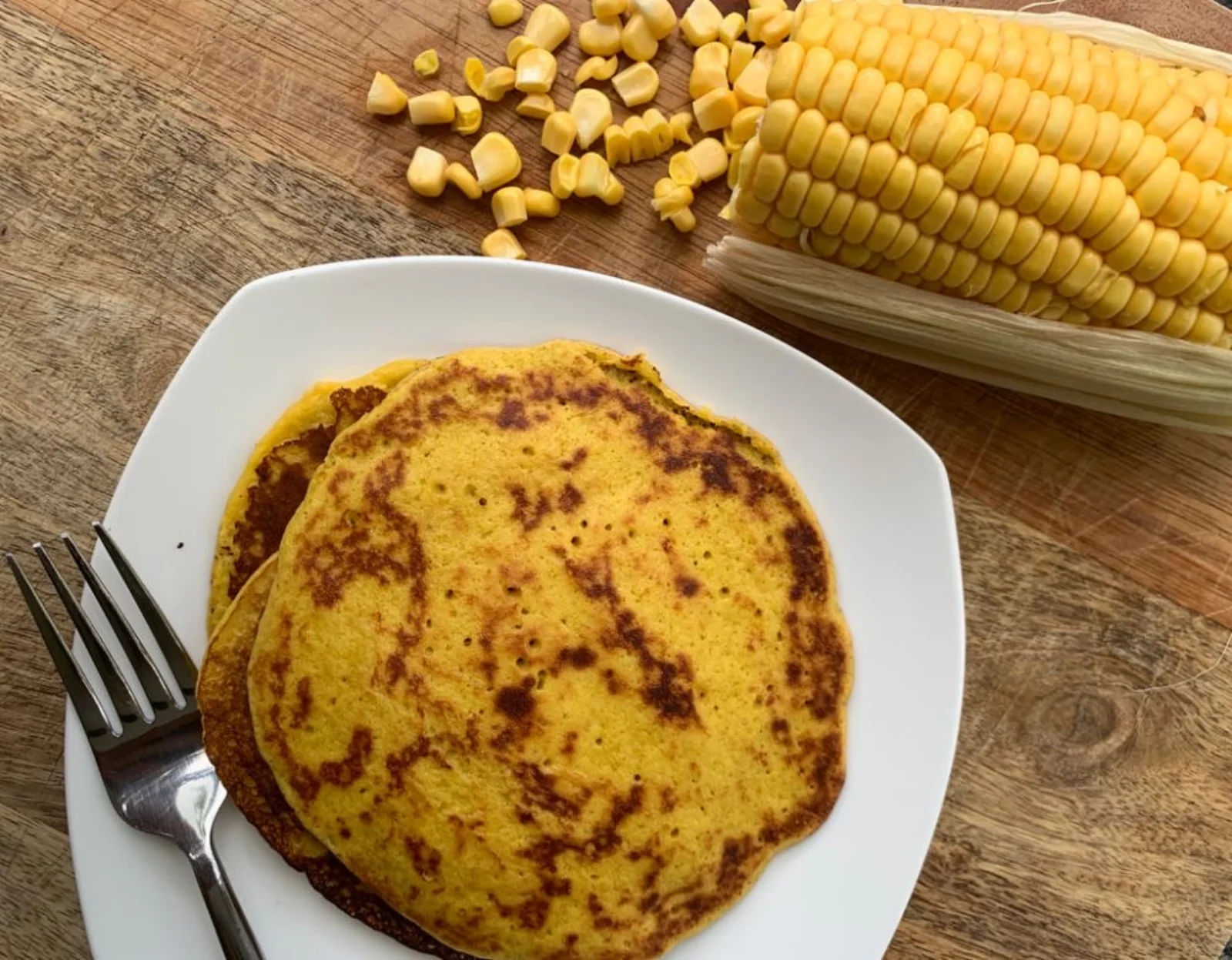
            Chorreadas
            Fresh corn chorreadas served with Costa Rican sour cream
            05

            Especially associated with Guanacaste, but eaten nationwide.

            Chorreadas

            Fresh-corn pancakes that may lean sweet or savoury.

            What it contains
            Ground fresh corn with salt or sugar depending on the recipe; some versions add milk, egg or flour to adjust texture.
            How it is enjoyed
            They are cooked on a griddle and commonly served hot with sour cream. Chorreadas directly reflect Costa Rica’s corn culture and are associated with farms, fairs, community festivities and family kitchens.
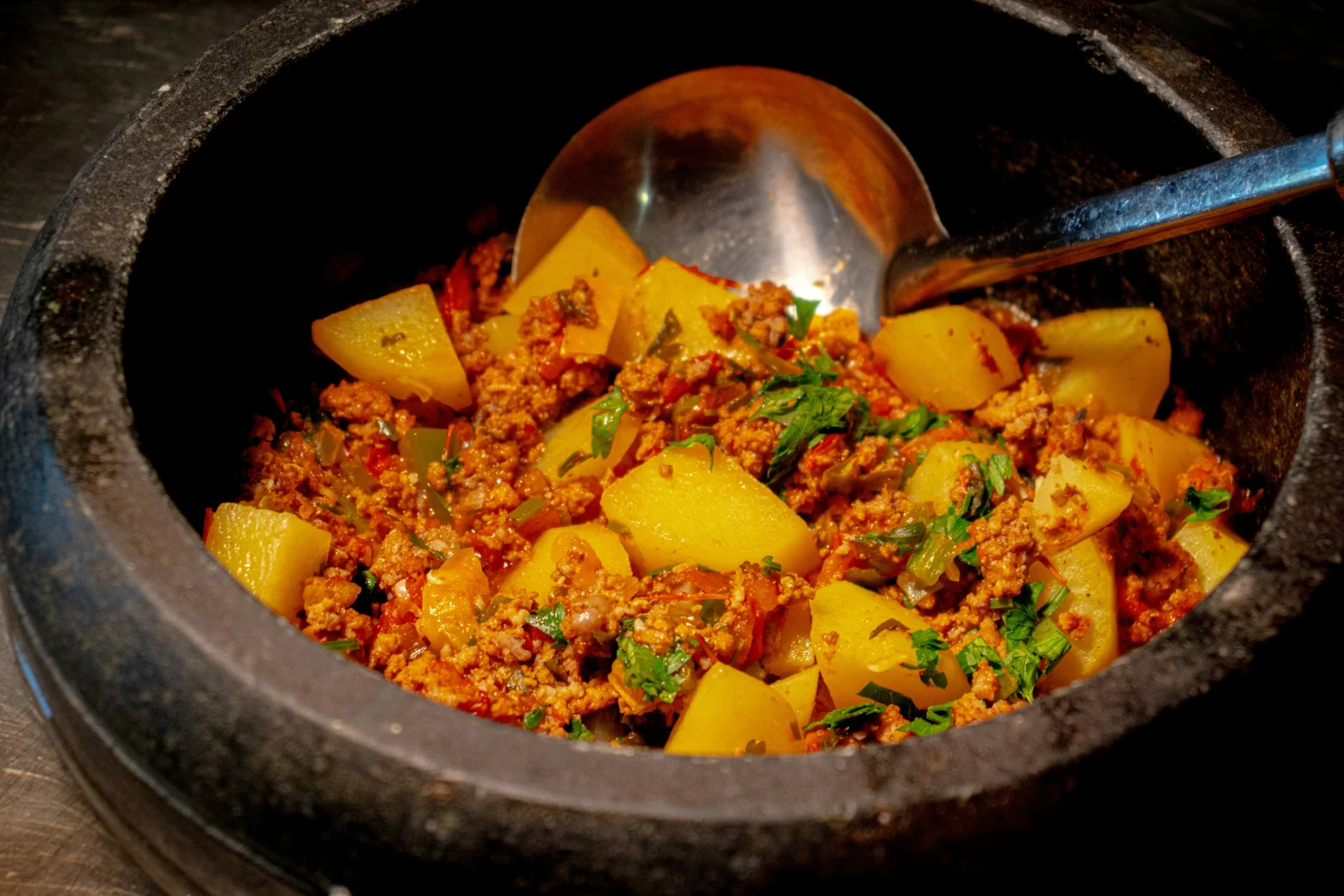
            Picadillos
            Traditional Costa Rican picadillo served with tortillas
            06

            Nationwide, with regional ingredients and techniques.

            Picadillos

            Finely chopped, stewed vegetables showcasing the diversity of local produce.

            What it contains
            Potato, chayote, arracacha, green beans, green papaya, plantain or tree spinach, combined with herbs, annatto and sometimes meat.
            How it is enjoyed
            The word describes a family of preparations rather than one dish. Picadillos appear as casado sides, tortilla fillings and celebration foods. Arracacha and potato versions are especially familiar.
            Chifrijo
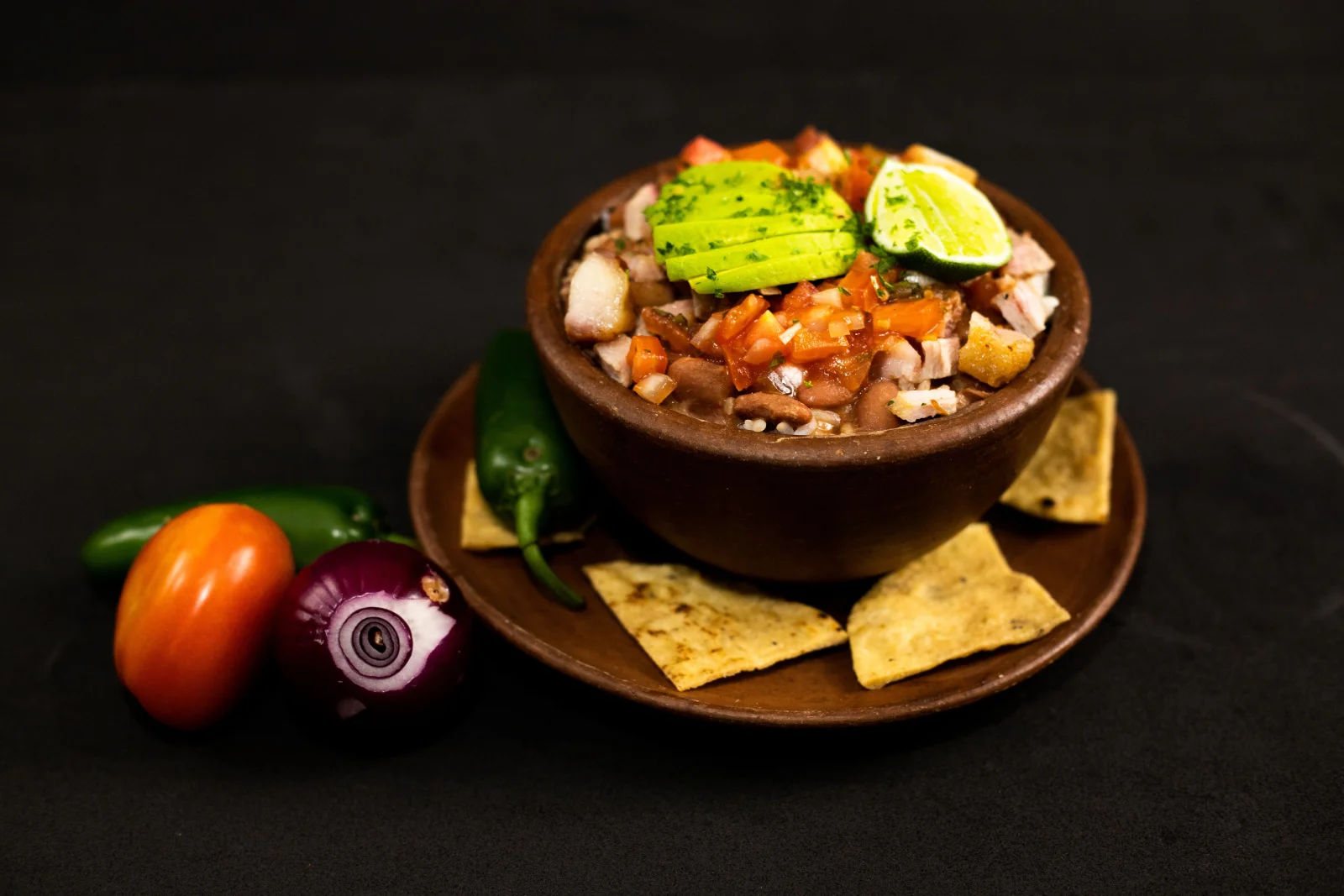
            Chifrijo with rice, beans, fried pork, pico de gallo and avocado
            07

            Popular nationwide since the late twentieth century.

            Chifrijo

            A contemporary creation that became one of the country’s most popular shared snacks.

            What it contains
            Beans, rice, fried pork, pico de gallo and avocado, generally served with tortilla chips.
            How it is enjoyed
            It is shared in bars, restaurants and gatherings. Unlike centuries-old recipes, chifrijo shows how Costa Rican popular cooking continues to create new traditions from familiar ingredients.
            Costa Rican ceviche
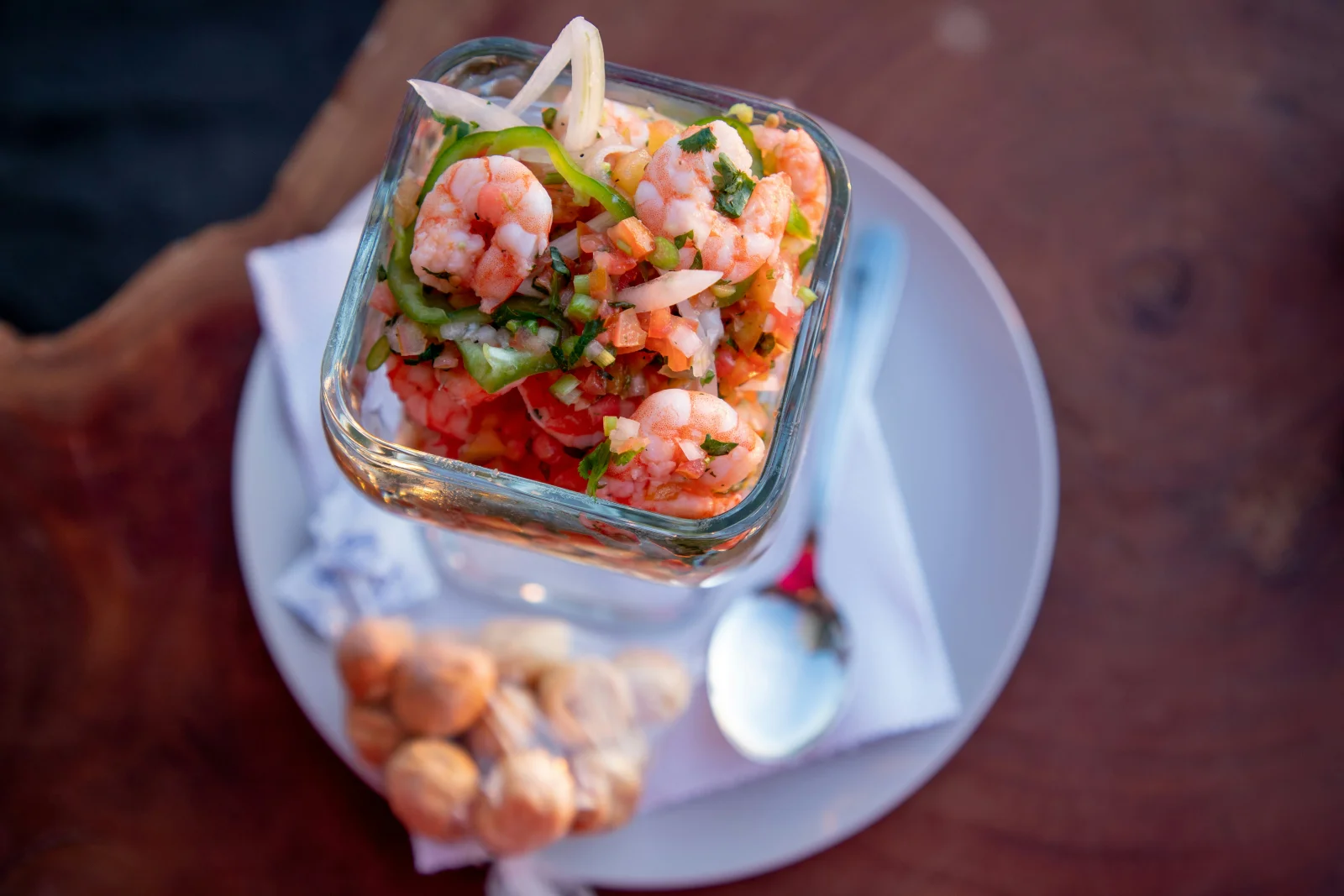
            Costa Rican fish ceviche with lime, onion and coriander
            08

            Pacific and Caribbean coasts and seafood restaurants nationwide.

            Costa Rican ceviche

            Fish or seafood marinated with citrus and fresh vegetables.

            What it contains
            White fish or seafood, lime juice, onion, sweet pepper, coriander and salt; some versions add celery, garlic or chilli.
            How it is enjoyed
            It is served cold with crackers, patacones or chips. Choose establishments with good refrigeration and product turnover: citrus changes texture but does not replace safe food handling.
            Vigorón
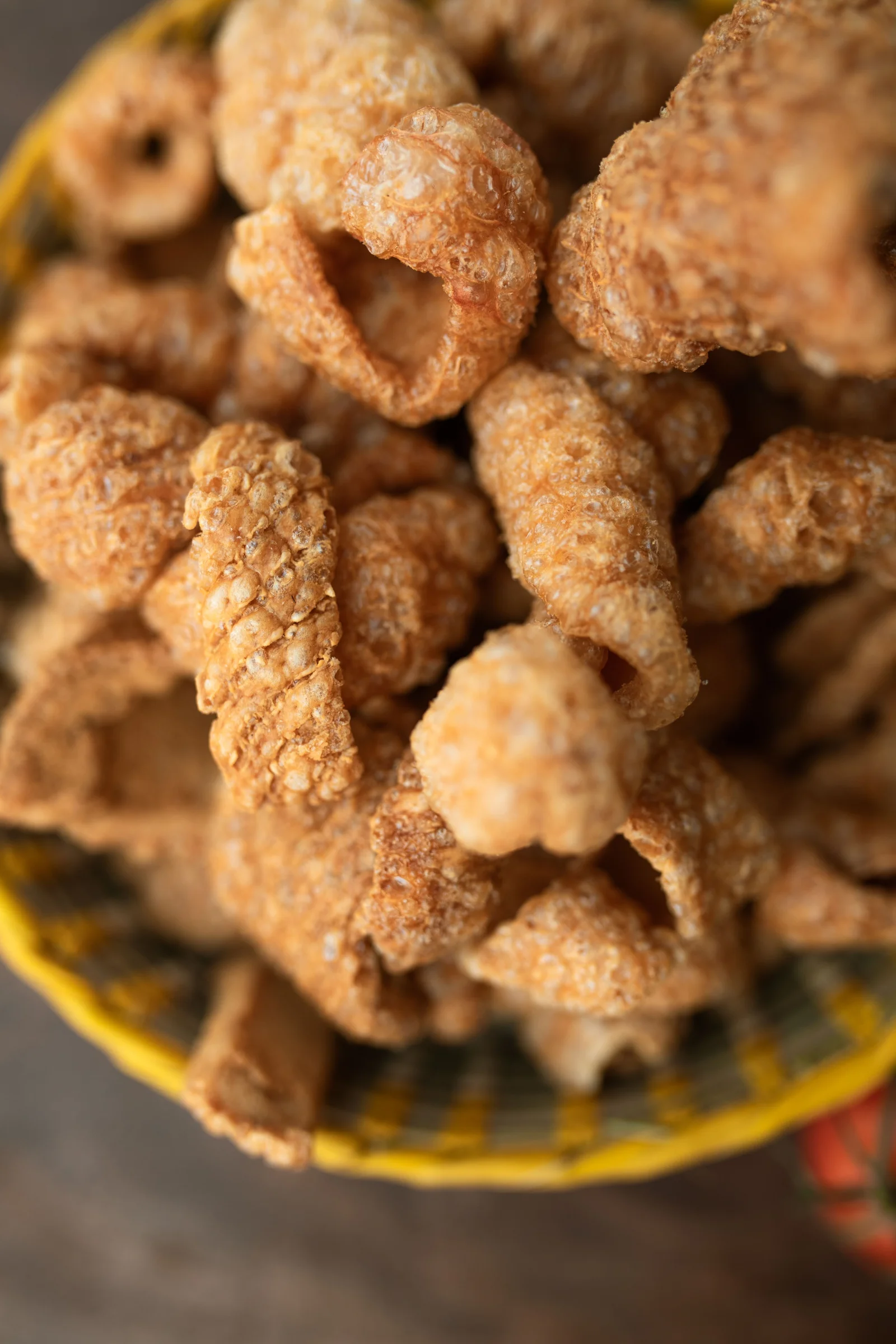
            Vigorón with cassava, fried pork and cabbage salad
            09

            Puntarenas and other Pacific areas.

            Vigorón

            Cassava, fried pork and cabbage salad in a dish strongly associated with Puntarenas.

            What it contains
            Boiled cassava, fried pork and a cabbage salad with tomato, onion, coriander, lime and salt.
            How it is enjoyed
            It may traditionally be served on leaves, making it practical for street sales, outings and celebrations. Its appeal comes from the contrast of soft cassava, crisp pork and fresh salad.
            Caribbean rice and beans
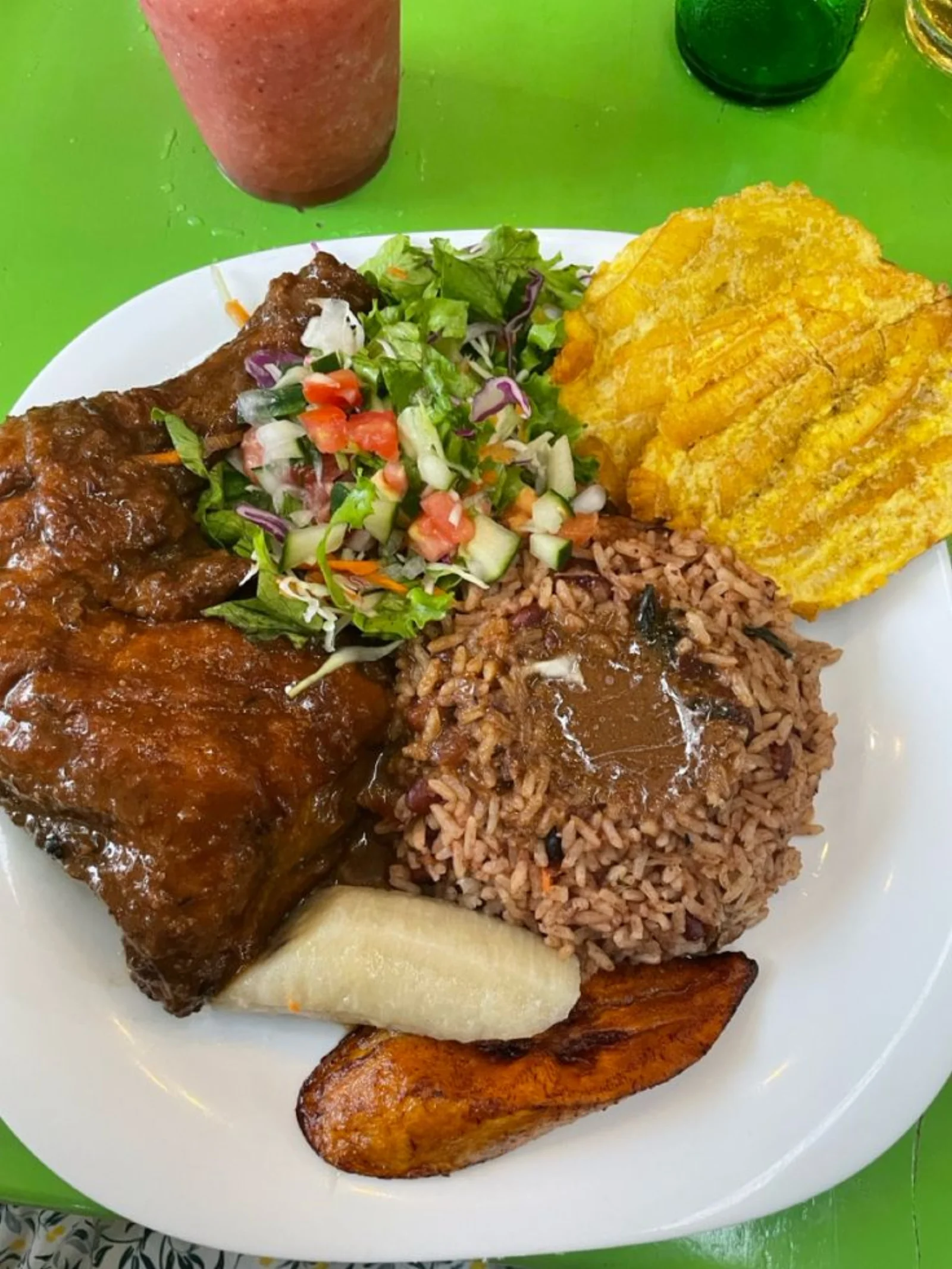
            Caribbean rice and beans with chicken, salad and plantain
            10

            Limón Province and Costa Rica’s Caribbean coast.

            Caribbean rice and beans

            Rice and beans cooked with coconut and spices, emblematic of Limón’s Afro-Caribbean cuisine.

            What it contains
            Rice, beans, coconut milk, thyme and spices; often paired with Caribbean chicken, fish, salad and plantain.
            How it is enjoyed
            This is not simply another name for gallo pinto. Its technique, aroma and cultural setting reflect the Afro-descendant heritage of Costa Rica’s Caribbean coast. Scotch bonnet–type chilli may perfume the pot without being broken into it.
            Patí
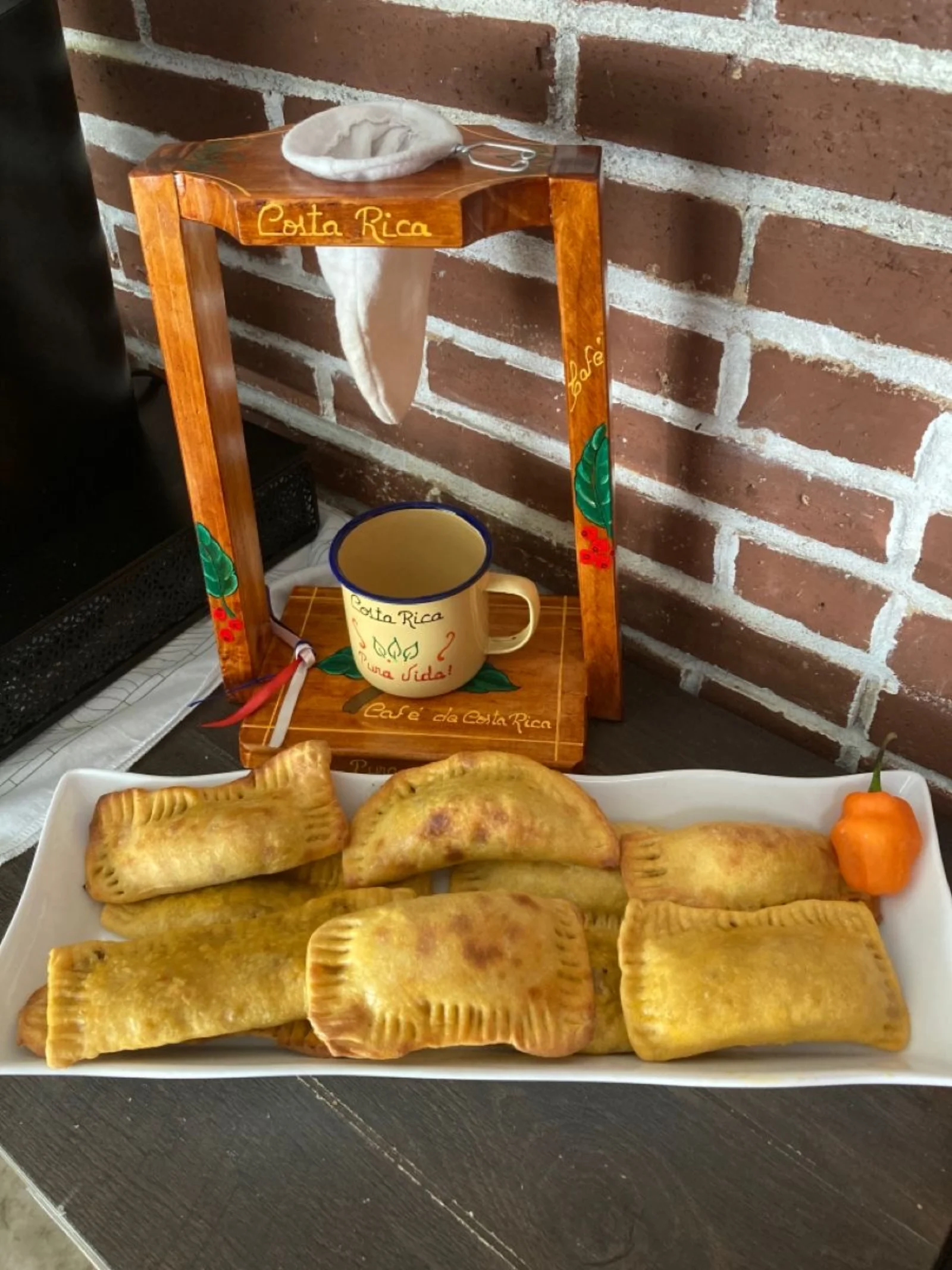
            Limón-style patí, a baked turnover with spiced meat
            11

            Limón and the Caribbean coast.

            Patí

            A baked, spiced turnover characteristic of Caribbean food culture.

            What it contains
            Flour-based pastry and a seasoned filling, traditionally meat, with chilli and spices.
            How it is enjoyed
            It is sold in bakeries, sodas and food stands along the Caribbean. Its history is tied to Afro-Caribbean migration and tradition. Heat level and pastry recipes vary by cook.

            How to experience it

            Where to look for traditional food

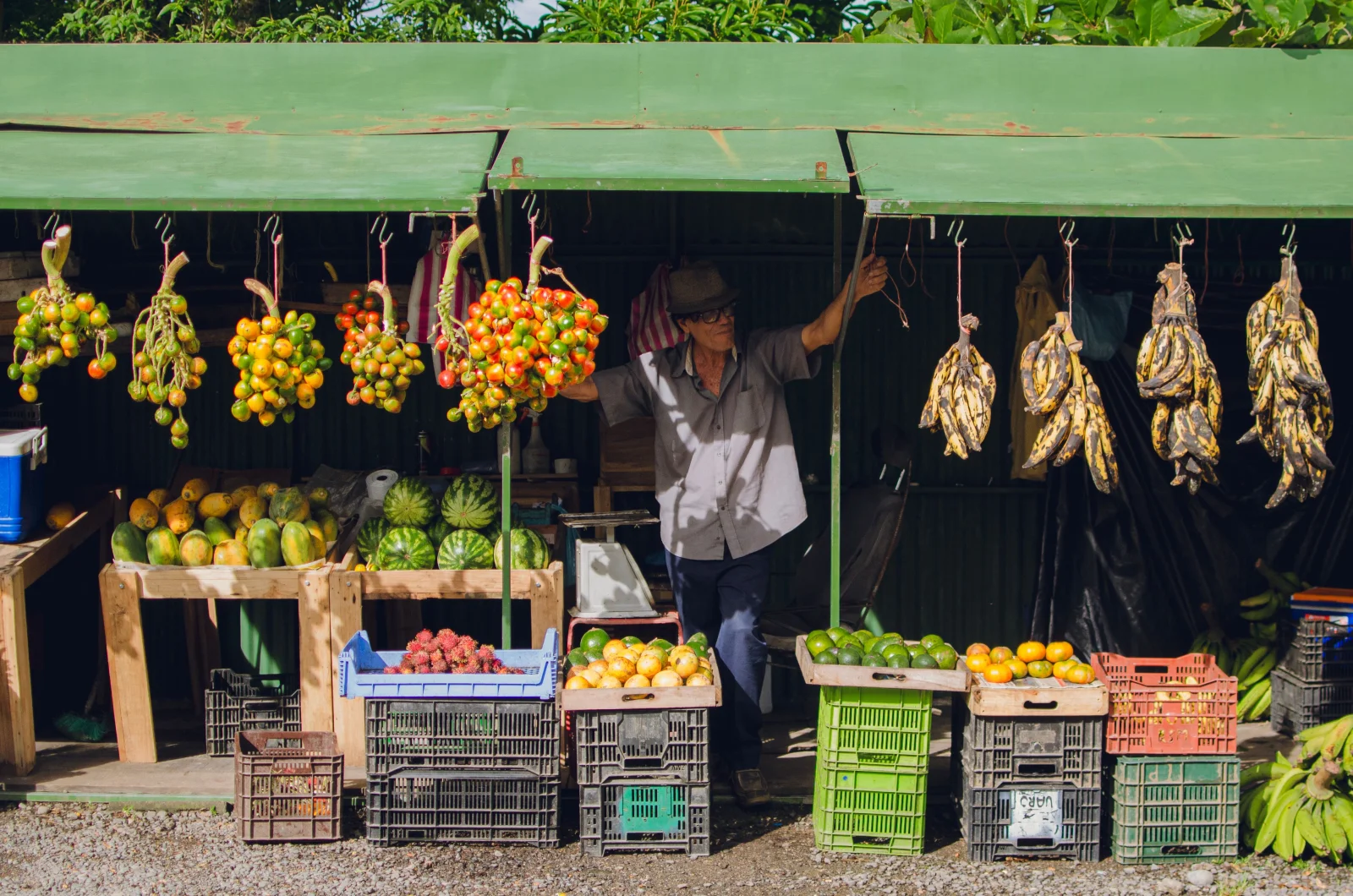
            • Visit sodas, municipal markets, farmers’ markets and busy family-run restaurants.
            • Ask about the dish of the day and regional preparations; not everything will always appear on the menu.
            • Explain allergies clearly. Home-style recipes may contain dairy, gluten, shellfish, nuts or unlisted ingredients.
            • For ceviche and seafood, choose places with suitable refrigeration and high product turnover.

            Sources and culinary heritage

            This selection summarizes widely recognized foods but cannot replace the diversity of family and regional recipes documented in Costa Rica’s culinary heritage collections.