
History and context
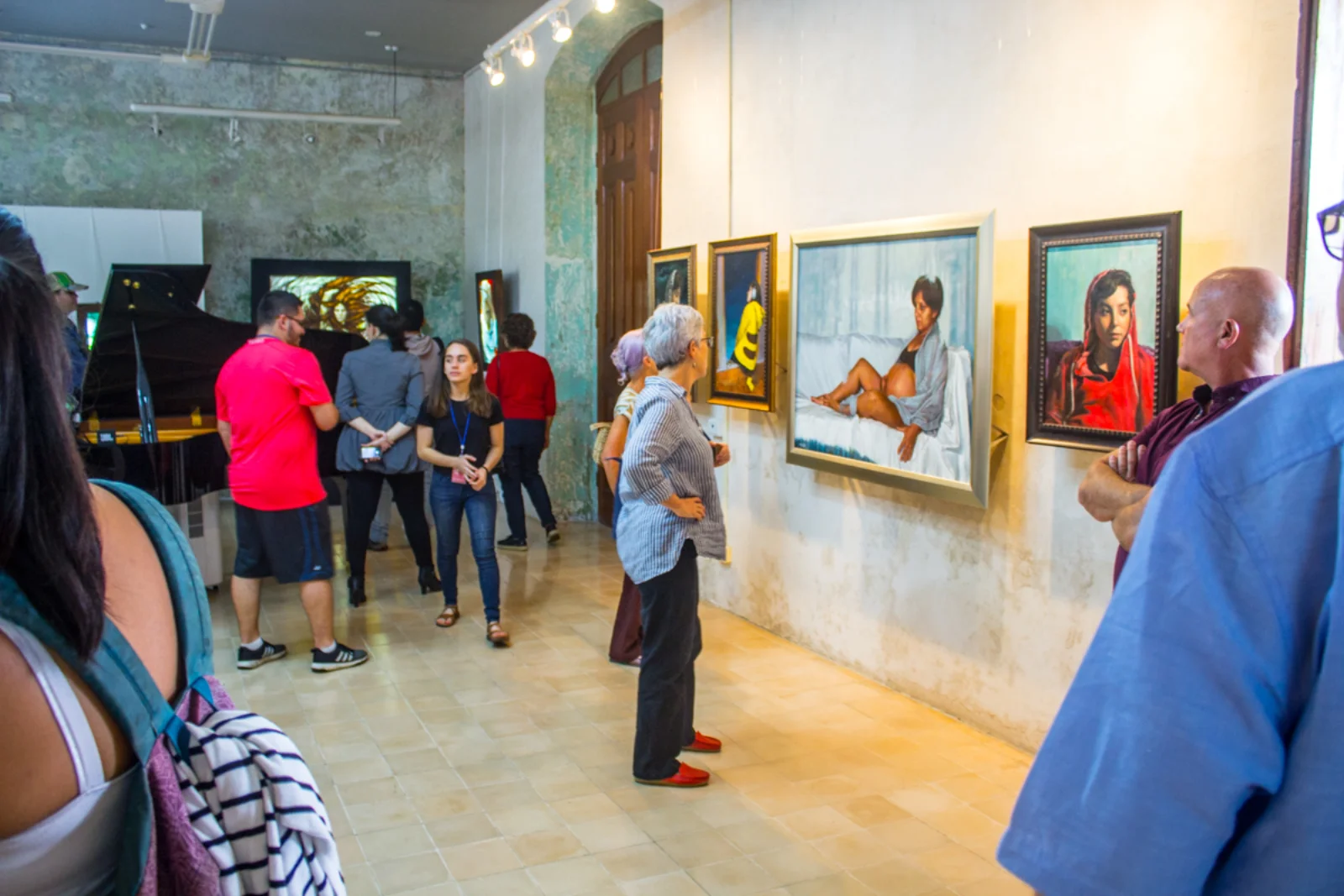
The museum occupies the heritage neoclassical former Municipal Palace and operates through University of Costa Rica outreach. Its collections and projects grow from relationships with western communities.
Why this place matters
Regional museums decentralize heritage and keep archives, stories and objects near the communities that give them meaning. This space also connects cultural and natural history.
What to notice during your visit
- Architecture of the former Municipal Palace.
- Exhibitions on local history, daily life and regional identities.
- Documentary collections and temporary shows connected with western Costa Rica.
How to plan your visit
- Check which galleries and temporary exhibitions are open.
- Ask about university activities and group visits.
- Allow time to walk through central San Ramón.
Access and location
The museum is downtown near parks, shops and bus stops. Traffic can be heavy at peak times.
Conservation and responsible visits
Touch no document or object and respect each exhibition’s restrictions. Coordinate any donation of oral history or photographs formally.
Keys to interpreting the site
What can a regional museum tell that a San José-centred history misses?
The West as a region
Collections and projects reveal migration, education, agriculture, culture and environment through local experience.
Former Municipal Palace
Neoclassical architecture and public use show how San Ramón represented authority and citizenship.
University and community
UCR outreach makes the museum a research and dialogue space rather than merely an object store.
Suggested visit sequence
- 01
Begin with the building and its relationship to park and church.
- 02
Ask which gallery stories come directly from western communities.
- 03
Continue on foot through town to compare collection and urban landscape.
How to combine this visit
San Ramón’s urban circuit pairs with coffee landscapes; check programming because exhibitions rotate.