
History and context
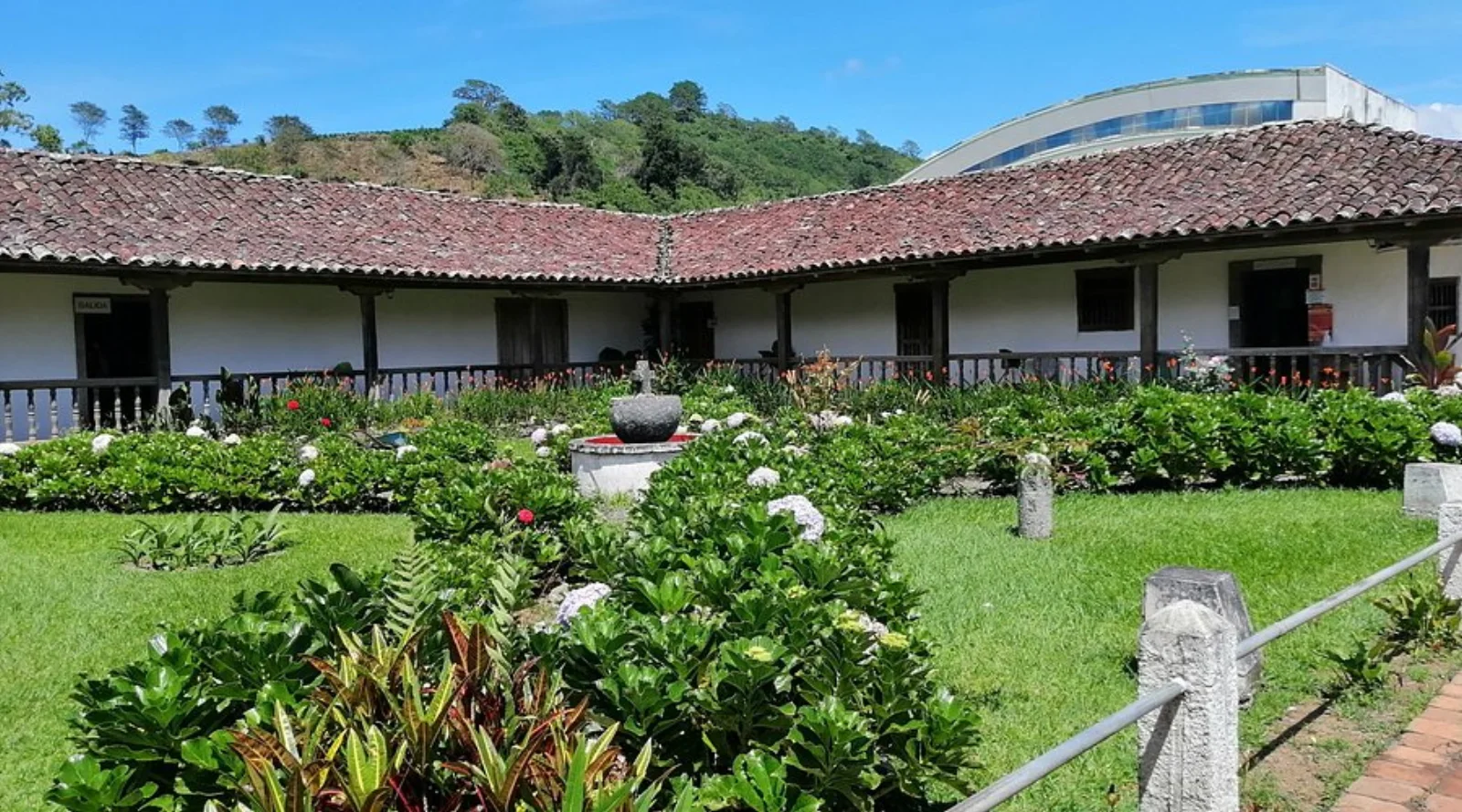
Franciscan missionaries built the church in 1743, and it is among the country’s best-preserved colonial buildings. The adjacent former convent contains a museum of paintings, images, utensils and religious objects associated with Franciscan presence and community practice.
Why this place matters
Its value combines continuity of use, architecture and movable heritage. The site illuminates the role of religious orders in the region while inviting reflection on the complex relationships among evangelization, Indigenous peoples, agriculture and settlement in the valley.
What to notice during your visit
- The adobe-and-timber nave, altar and intimate atmosphere of the church.
- The corridor and rooms of the former Franciscan convent.
- Paintings, images and liturgical objects preserved in the museum.
- Views connecting the complex with Orosi village and the valley mountains.
How to plan your visit
- Confirm the museum schedule directly because it may differ from church opening times.
- Never interrupt Masses, funerals, weddings or other community activities.
- Dress respectfully and ask before using flash or photographing the interior.
- Combine the visit with Ujarrás or Cachí without reducing the church to a rushed stop.
Access and location
The complex faces Orosi’s park and is reached from Paraíso along the valley road. The route is winding and can be foggy or wet; public buses serve the village.
Conservation and responsible visits
Remain quiet, touch no altarpiece, painting or image, and lean nothing against adobe walls. Respect for the worshipping community is as important as preserving the building itself.
Keys to interpreting the site
How should a church that remains both worship space and heritage be read?
Continuity of use
This is not a colonial stage set. Worship, celebration and the present community take priority over tourism.
Architecture and objects
Adobe, wood, roofs, images and paintings form one ensemble; the former convent museum broadens the church story.
Complex history
Franciscan presence belongs alongside evangelization, Indigenous peoples, agriculture and valley settlement.
Suggested visit sequence
- 01
First observe atrium, façade and relationship with the village.
- 02
Enter quietly outside services and study structure, altars and objects without indiscriminate photography.
- 03
Visit the museum when open and connect objects with liturgical use and community life.
How to combine this visit
Ujarrás, viewpoints and agricultural landscape form a coherent valley route without racing between churches.