
History and context
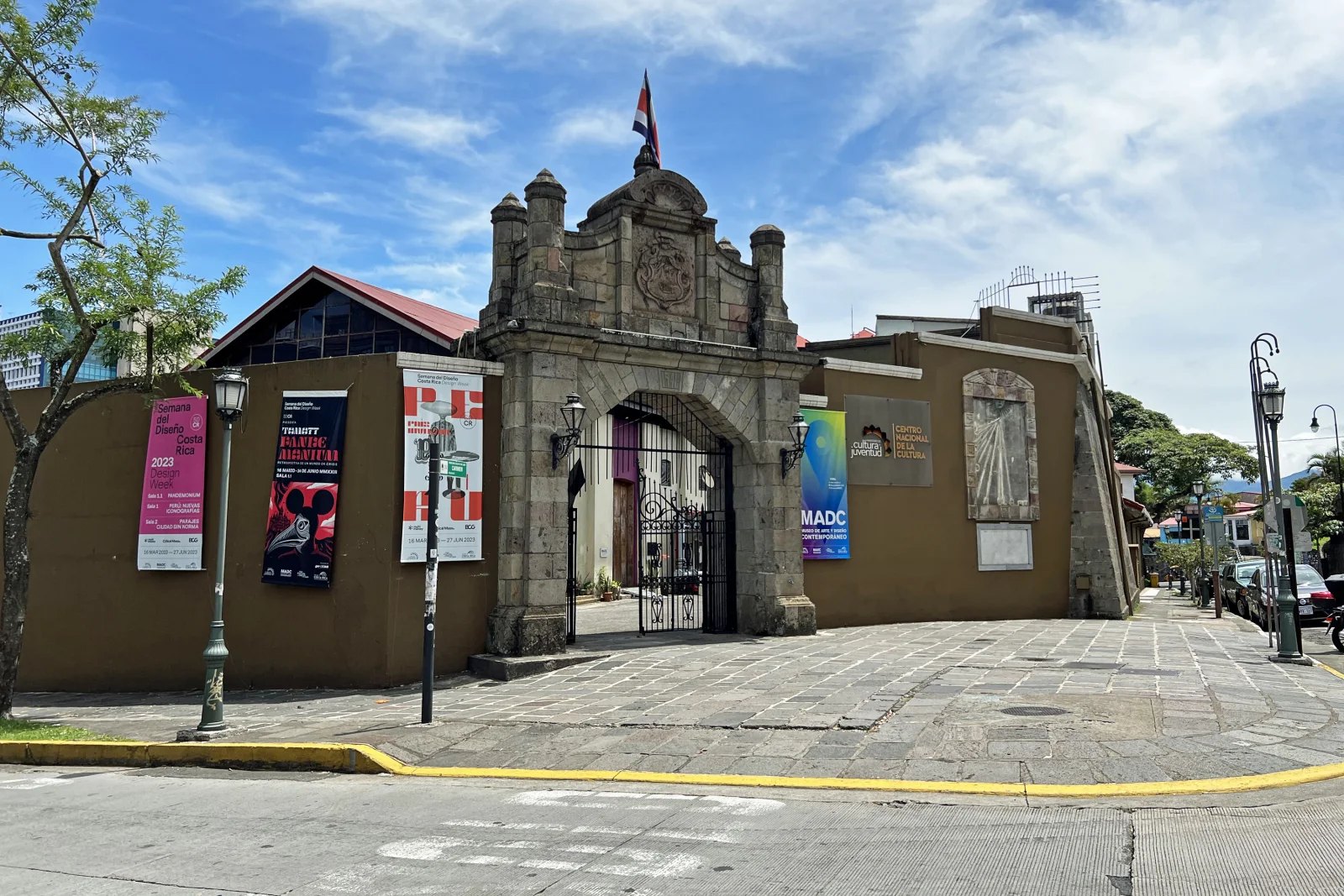
The museum opened in 1994 within CENAC, housed in the former National Liquor Factory. The nineteenth-century industrial complex was adapted for culture without erasing all traces of production.
Why this place matters
It is a key platform for contemporary Central American and Caribbean creation. The meeting of industrial heritage and current practice shows how heritage can be reused and debated.
What to notice during your visit
- Temporary exhibitions of art, design and new media.
- Industrial architecture of the former factory integrated into CENAC.
- Activities, publications and conversations accompanying exhibitions.
How to plan your visit
- Check the programme because the experience depends on current exhibitions.
- Confirm installation closures between shows.
- Pair the museum with other cultural spaces downtown.
Access and location
The museum is inside CENAC near Parque España and the former Customs House. Exact entry and circulation may change during events.
Conservation and responsible visits
Never assume contemporary work may be touched. Follow specific directions for installations, video and participatory pieces.
Keys to interpreting the site
What happens when a factory becomes a contemporary museum?
Industrial heritage
Walls, volumes and production traces from former FANAL show how the complex was reused without erasing all of its past.
Region before border
Programming connects Costa Rica with Central America and the Caribbean rather than framing contemporary art only nationally.
Changing exhibitions
The visit depends on current installations and events; there is no identical permanent display throughout the year.
Suggested visit sequence
- 01
Check the programme before departure to know which galleries are active.
- 02
Begin with the CENAC’s industrial architecture.
- 03
Read each exhibition through curatorial ideas, materials and contemporary issues.
How to combine this visit
Parque Nacional, Antigua Aduana and the National Museum form a route about urban heritage reuse.