
History and context
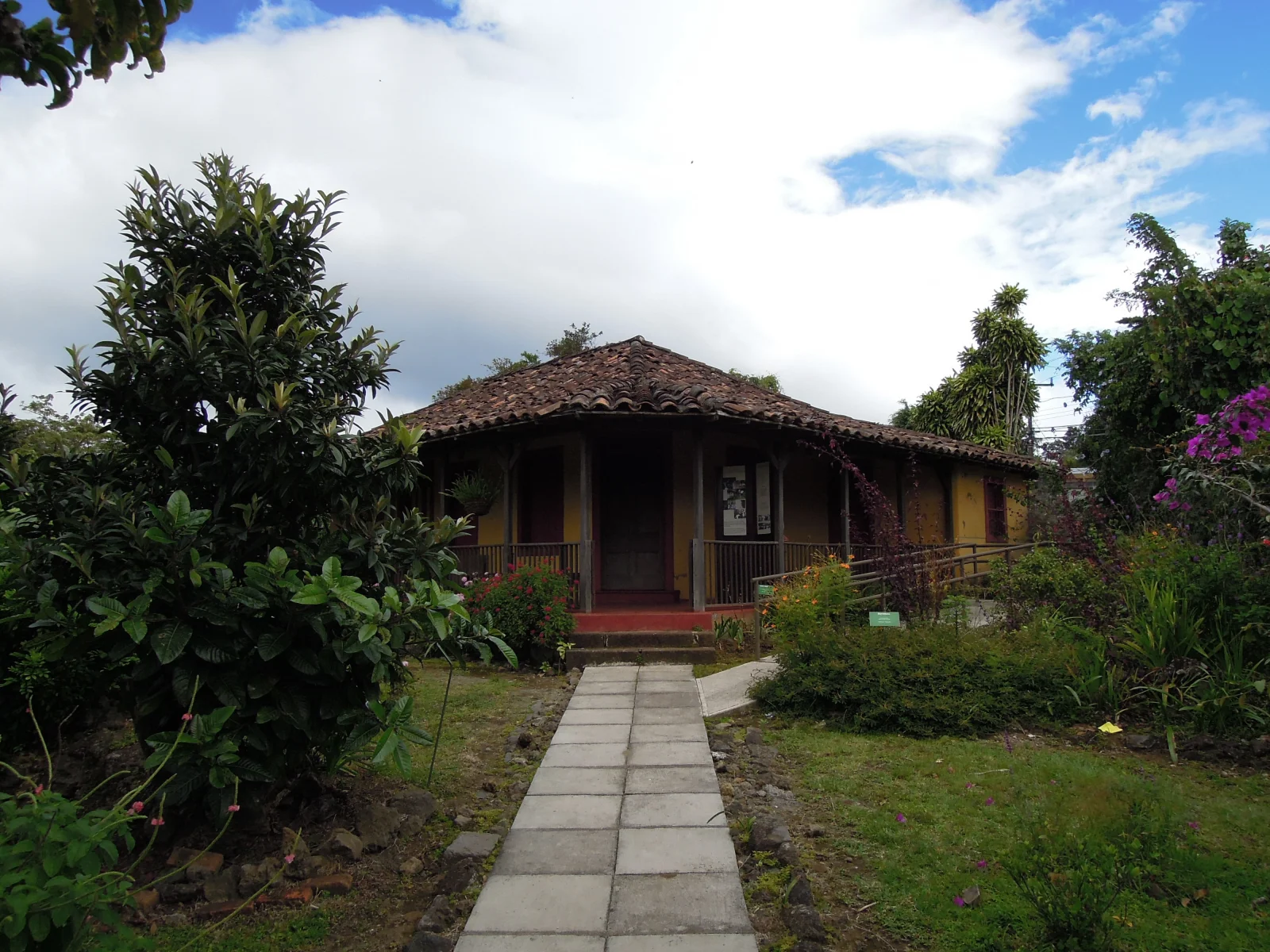
The National University developed the museum around a late nineteenth- and early twentieth-century house. Bahareque architecture and domestic space make coffee society visible through everyday experience.
Why this place matters
Preserving popular heritage means recognizing knowledge, words, recipes, tools and customs often missing from official narratives. The museum connects university research with community memory.
What to notice during your visit
- The house, kitchen and traditional domestic layout.
- Tools, furniture and stories about trades and family life.
- Gardens, foods and educational activities when available.
How to plan your visit
- Confirm hours and whether experiences or meals require booking.
- Ask about educational activities and guided tours.
- Wear comfortable shoes for the house and grounds.
Access and location
The museum is in Santa Lucía de Barva. Confirm the route and entrance, especially when using public transport or travelling with a group.
Conservation and responsible visits
Handle no utensil or furniture without permission. Listen to community interpretation without turning custom into caricature.
Keys to interpreting the site
Why are a kitchen, a word or a tool also heritage?
Everyday life
Domestic space reveals food, gender, labour and sociability often omitted by major monuments.
Bahareque architecture
Materials and layout respond to climate, resources and practices of a late nineteenth-century coffee society.
Participatory heritage
Recipes, stories and activities change with practitioners; they are neither frozen customs nor a single Costa Rican identity.
Suggested visit sequence
- 01
Walk through the house noting each room’s function and circulation.
- 02
Connect objects with labour, food and family organization.
- 03
If a workshop is offered, participate without treating community practice as spectacle.
How to combine this visit
Pair it with central Heredia or a coffee route after confirming activities and reservation requirements.